Moonlightby Tamara Aupaumut, David Goldes, Ilana Harris-Babou, Nicole Havekost, Alexa Horochowski, Kristen Sanders, Rotem Tamir, Michon Weeks
Jan 22 – Mar 5, 2026

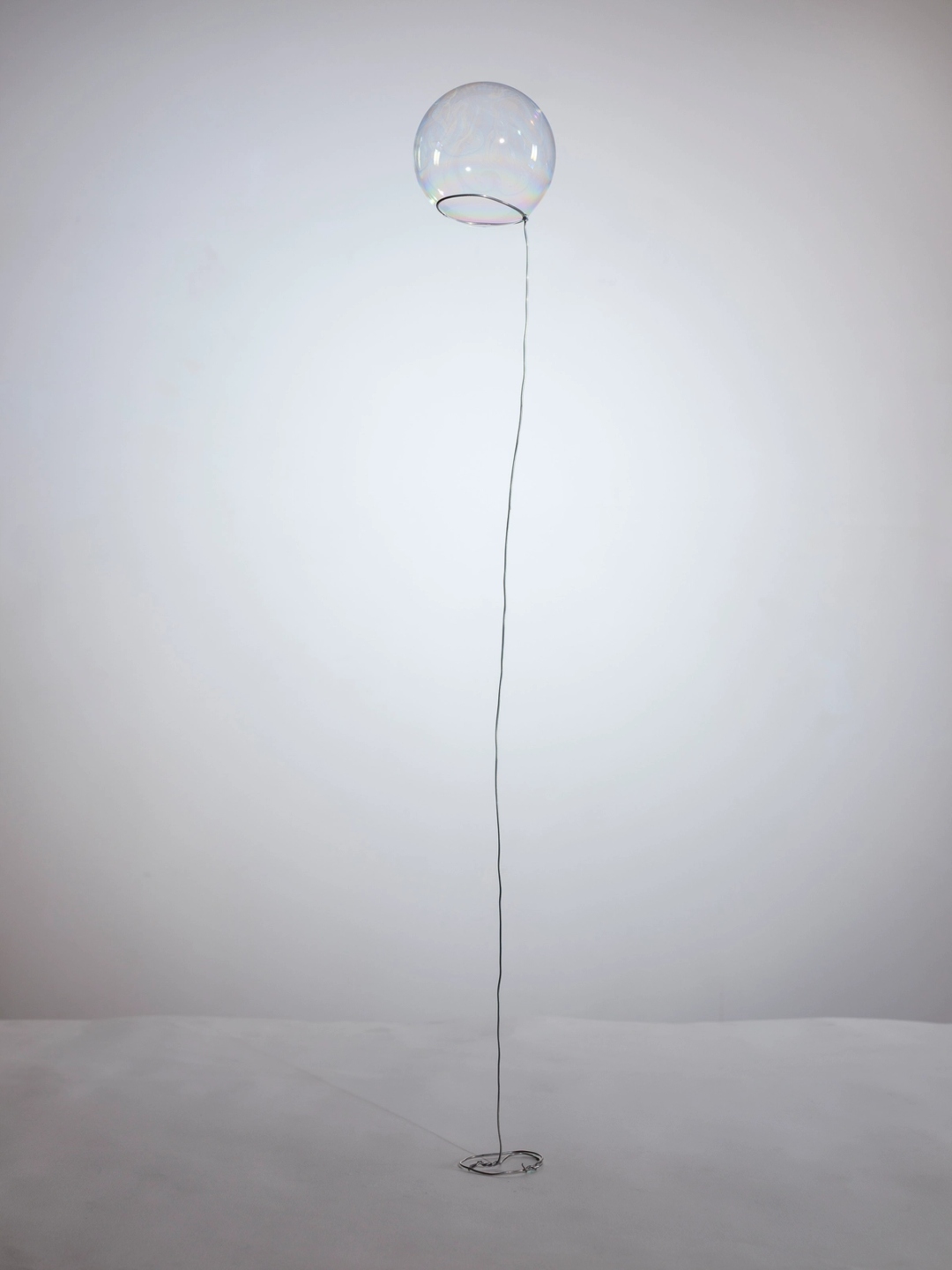
David Goldes. No Versus Yes, 2026. Archival pigment print. 34 x 26 in.
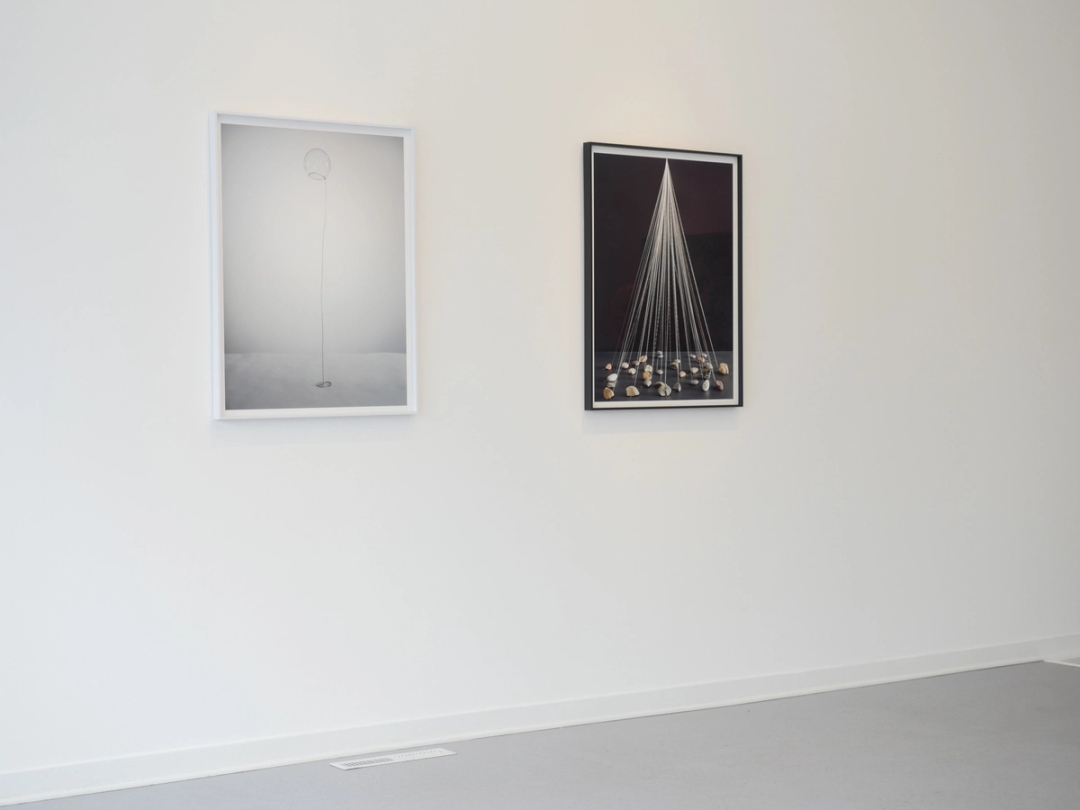
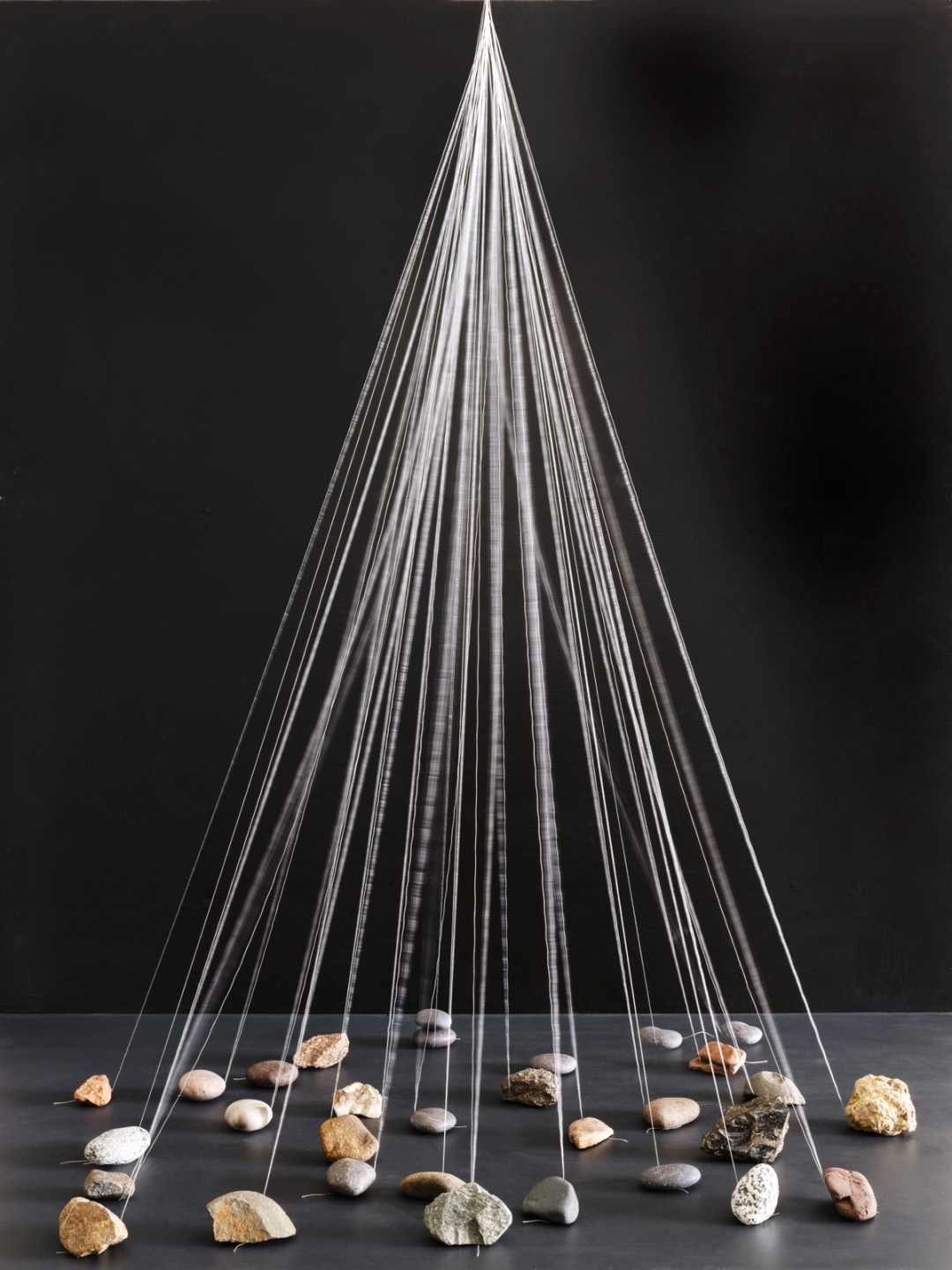
David Goldes. Fleeting Fragility, 2026. Archival pigment print. 34 x 26 in.
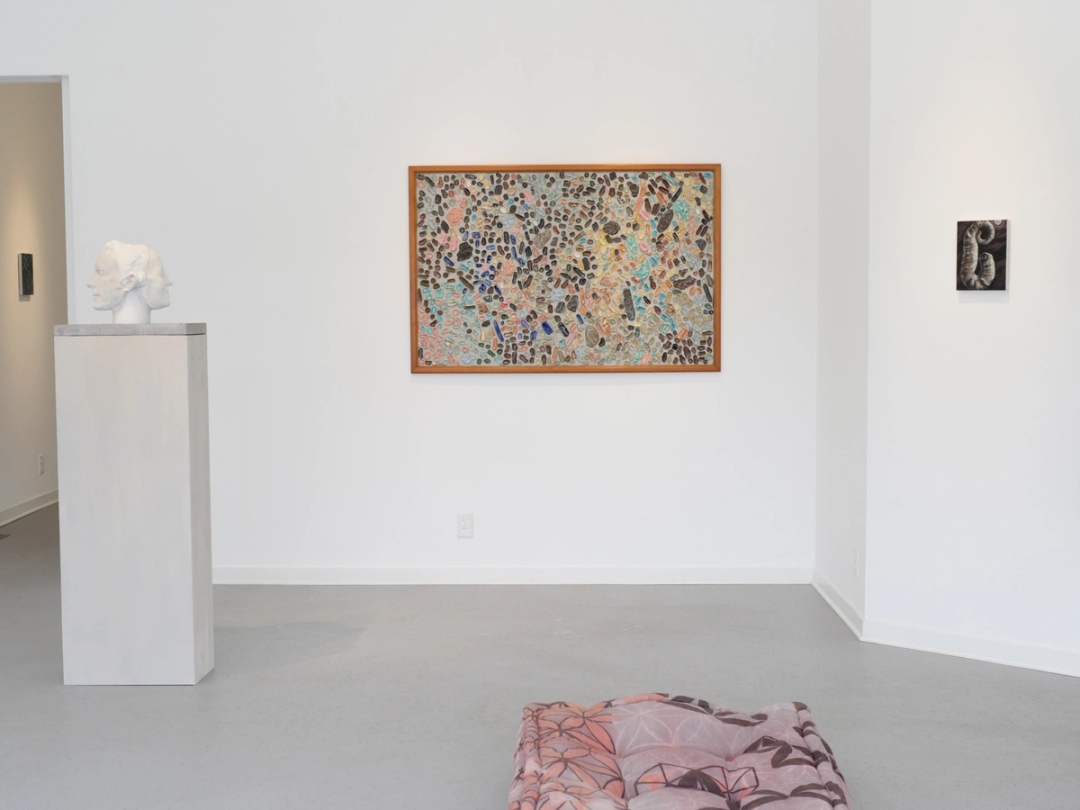
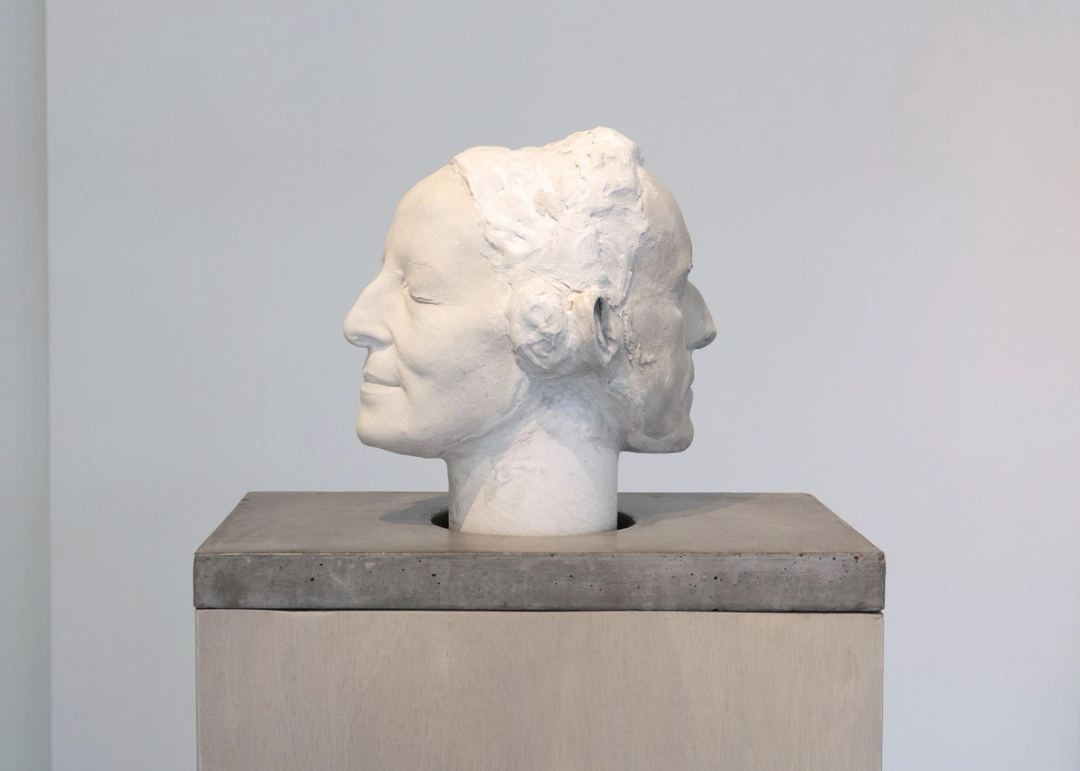
Alexa Horochowski. The Revolving Janus, 2026 [detail]. Gypsum, concrete, plywood, motorized turntable. 61⅛ x 18¼ x 11¼ in.
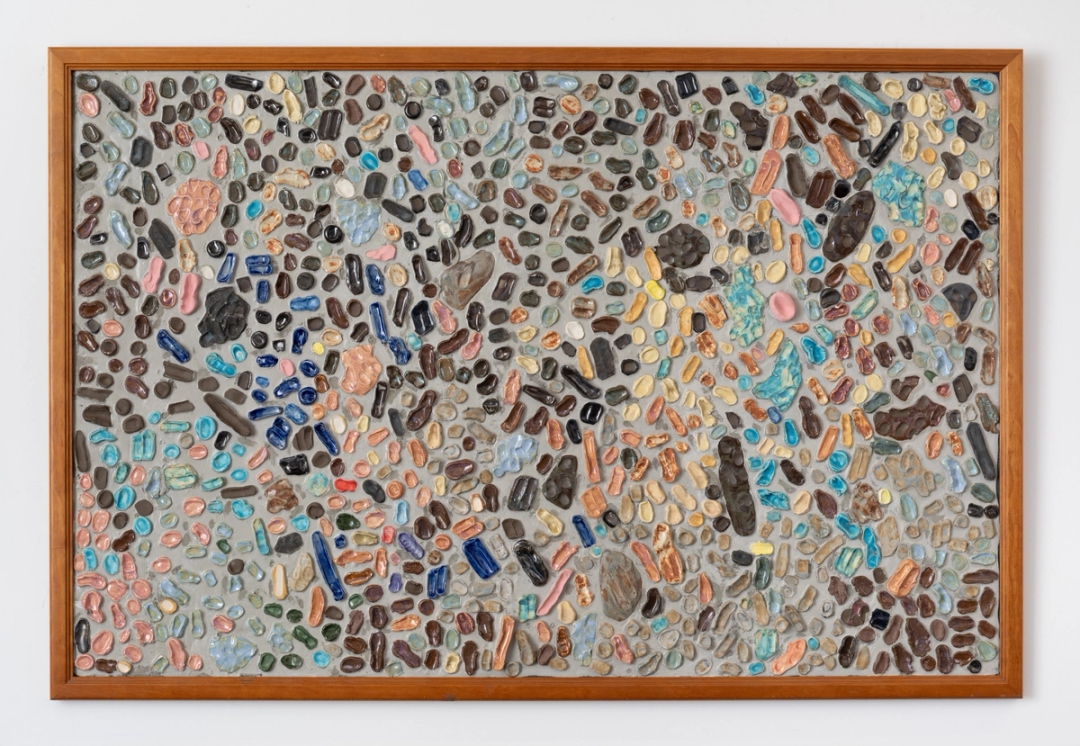
Ilana Harris-Babou. Index, 2025. Glazed ceramic, cement, HyrdoBlok panel. 38 x 58 x ¾ in.
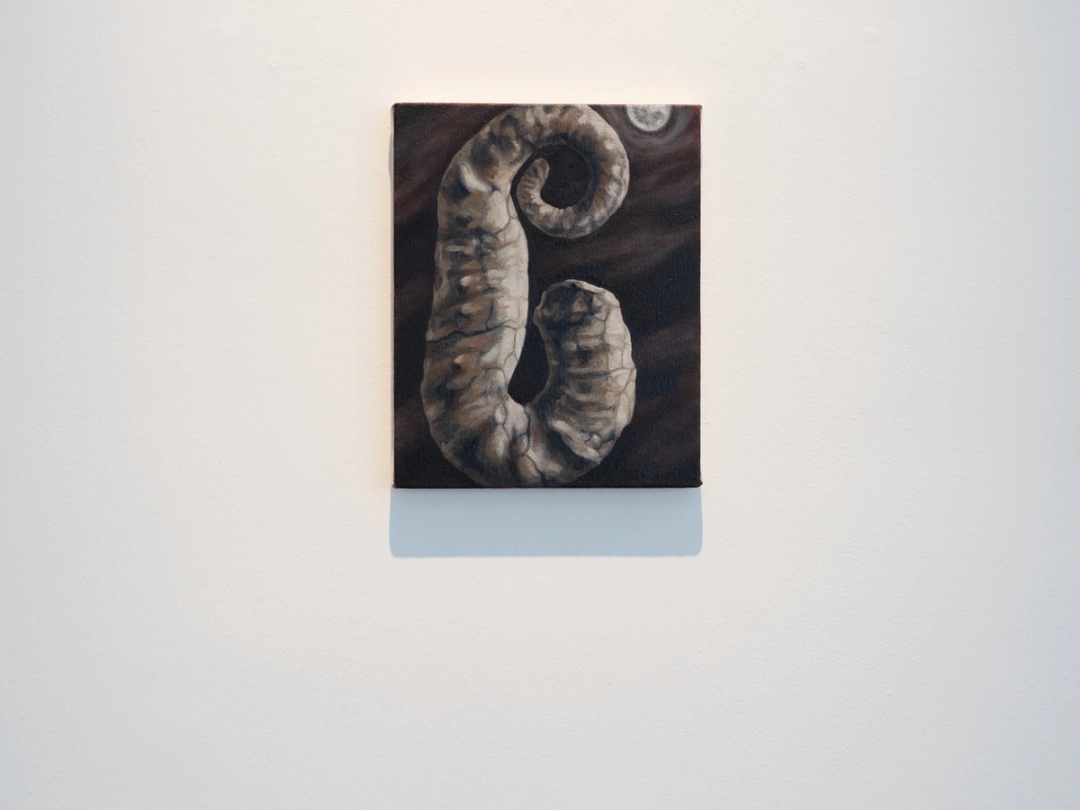
Kristen Sanders. Deep Reflex, 2026. Oil and acrylic on canvas over wood panel. 10 x 8 in.
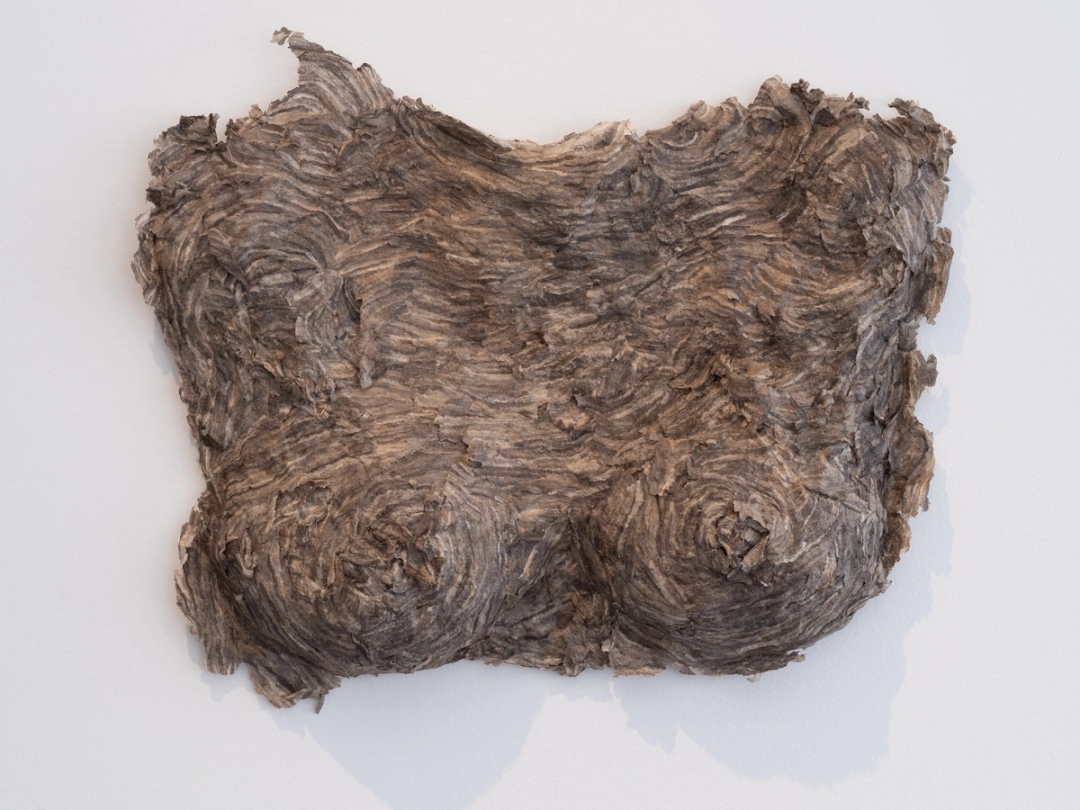
Tamara Aupaumut. Reconstructed Home, 2023. Papier-mâché and wasp nest. 15 x 20 x 4 in.
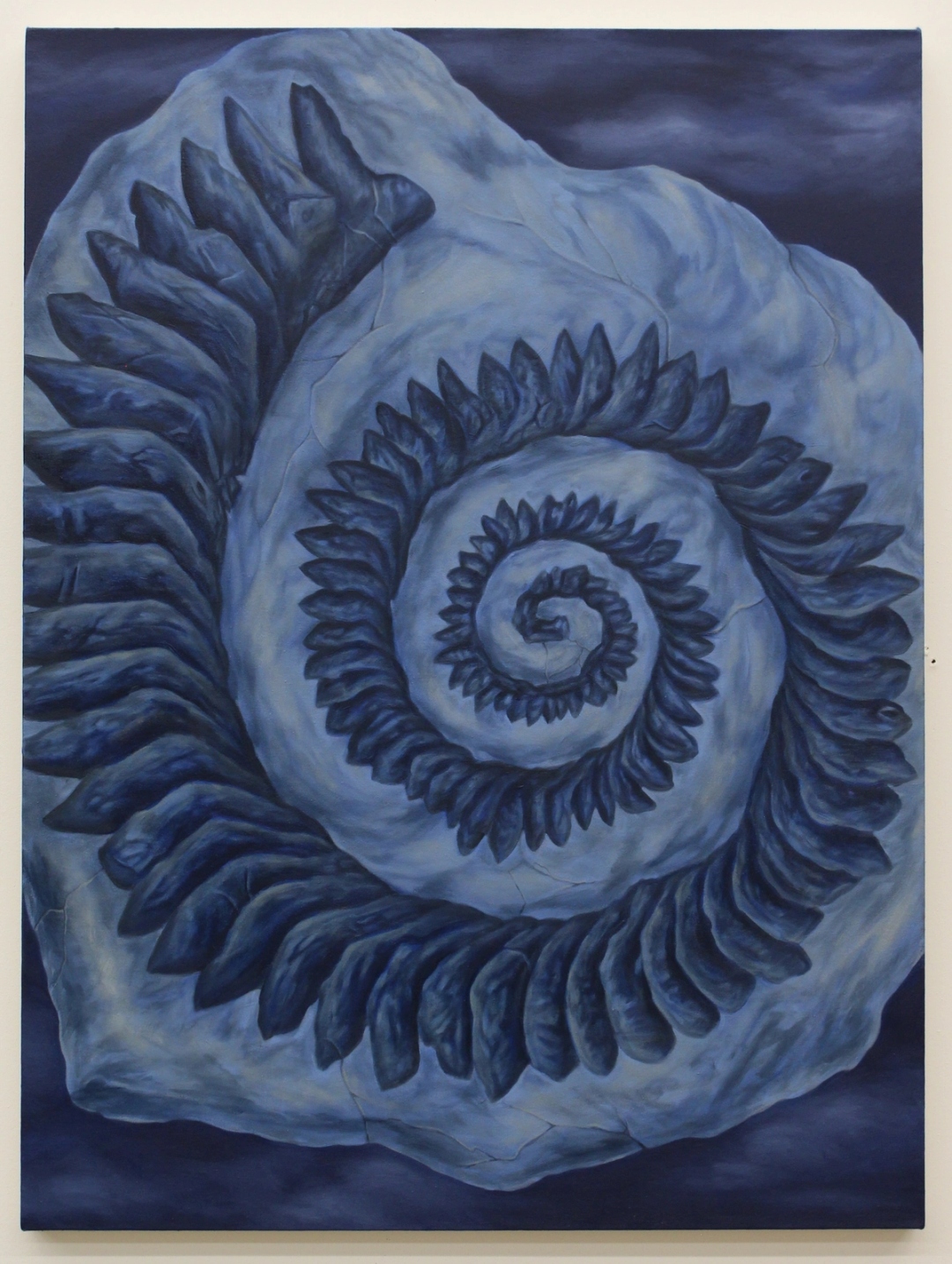
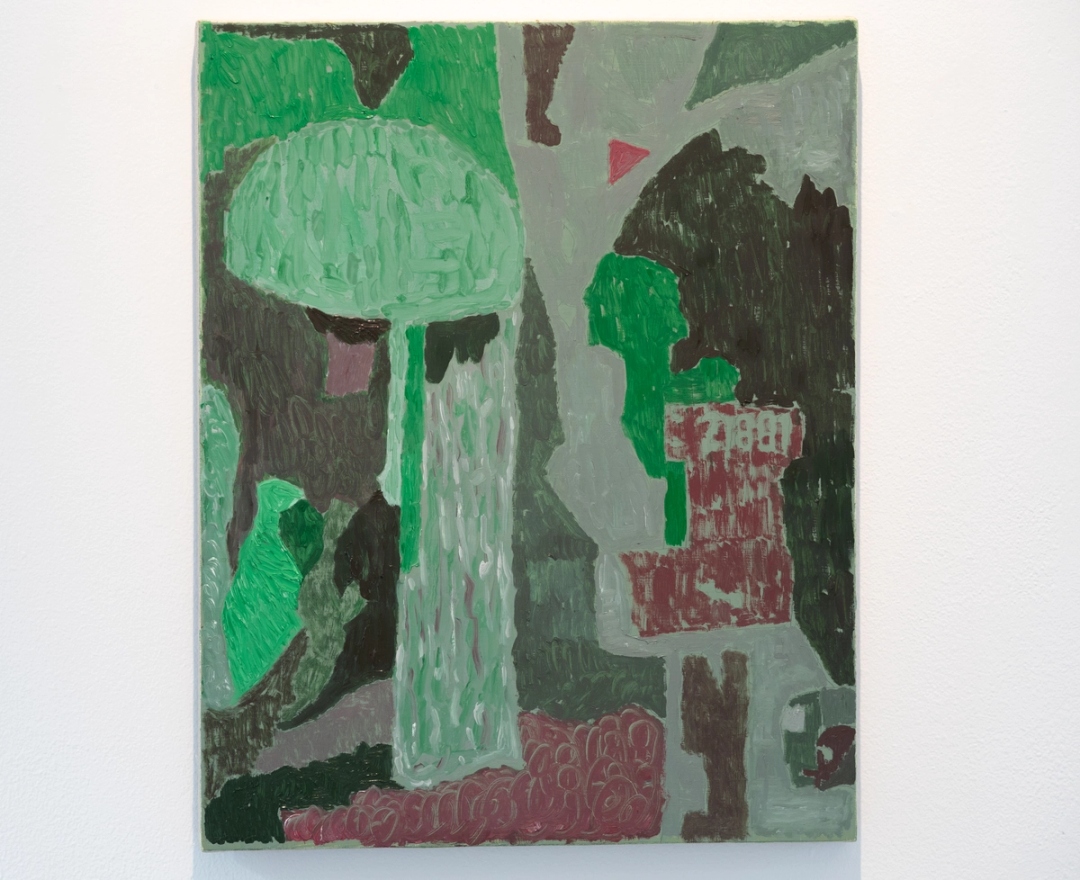
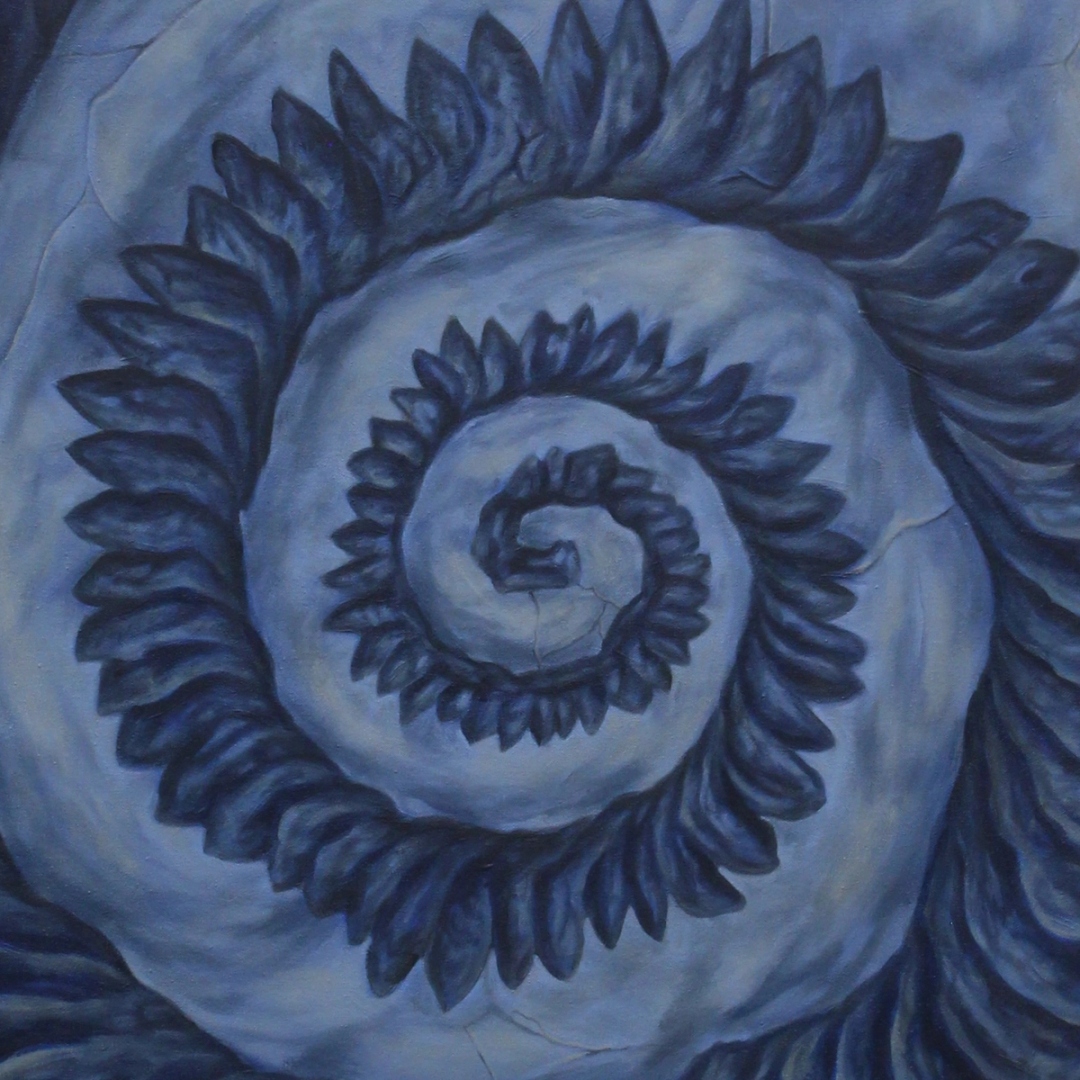
Kristen Sanders. Saltwater Spell, 2026. Oil and acrylic on canvas. 40 x 30 in.
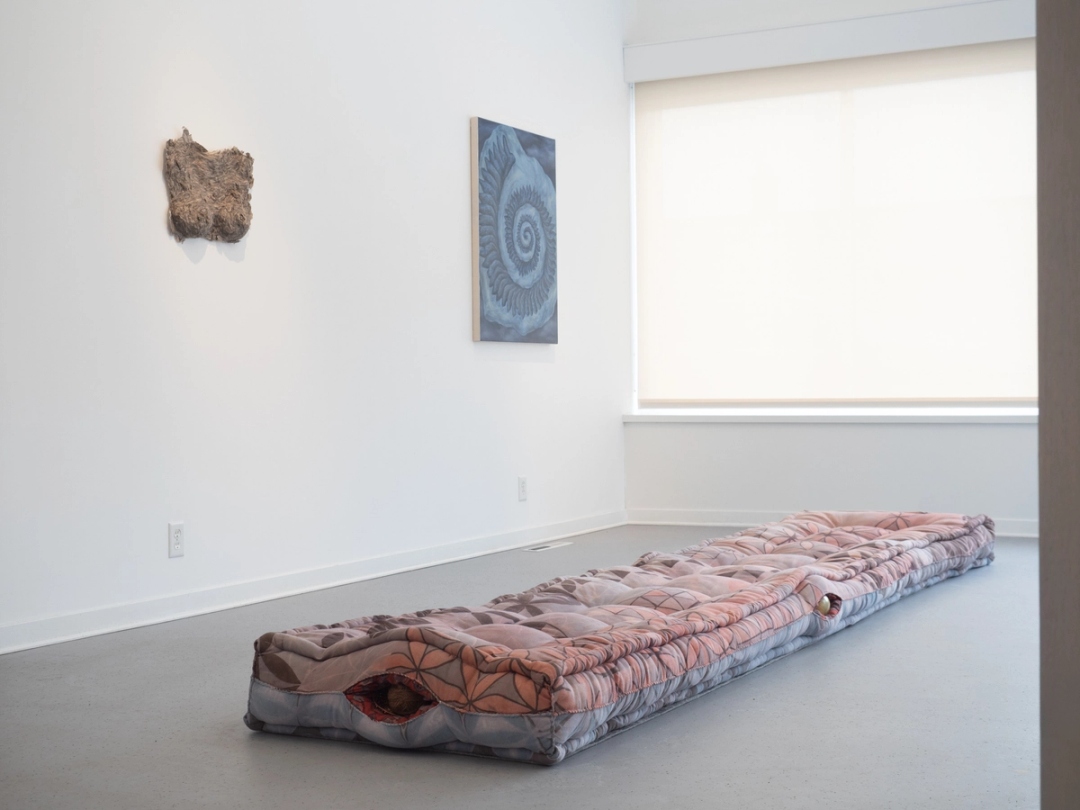
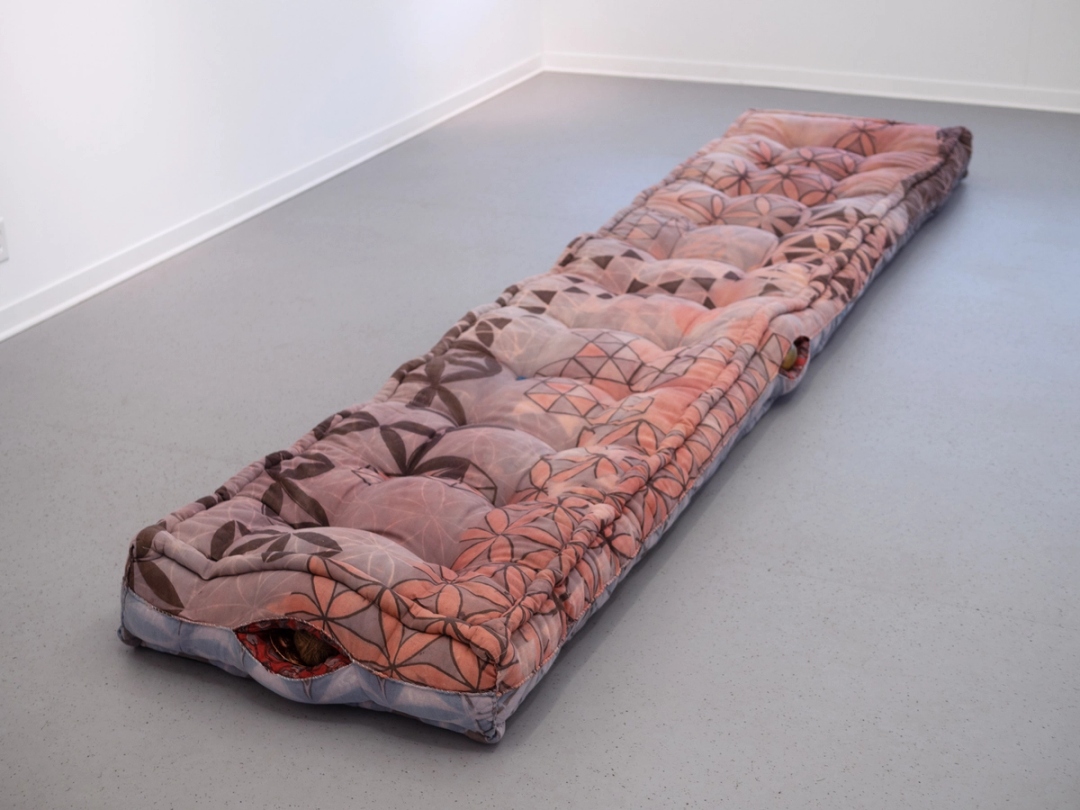
Rotem Tamir. Jerayah (No. 2), 2024. Hand-carved woodblock print on organic cotton twill; soda ash, Synthrapol, myrobalan, calcium hydroxide, gum arabic, aluminum acetate, kaolin clay, ferrous sulfate, pomegranate powder, indigo powder, rose madder; tufting twine, nylon thread, and locally sourced wool. 9 x 31 x 147 in.
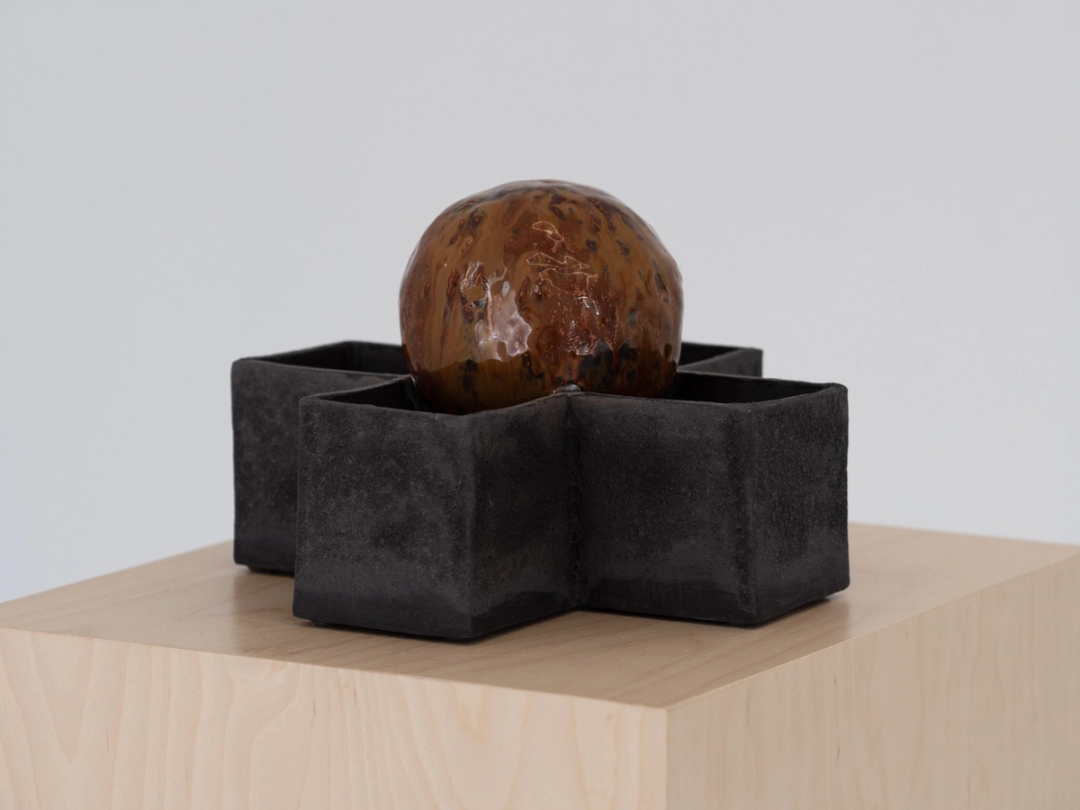
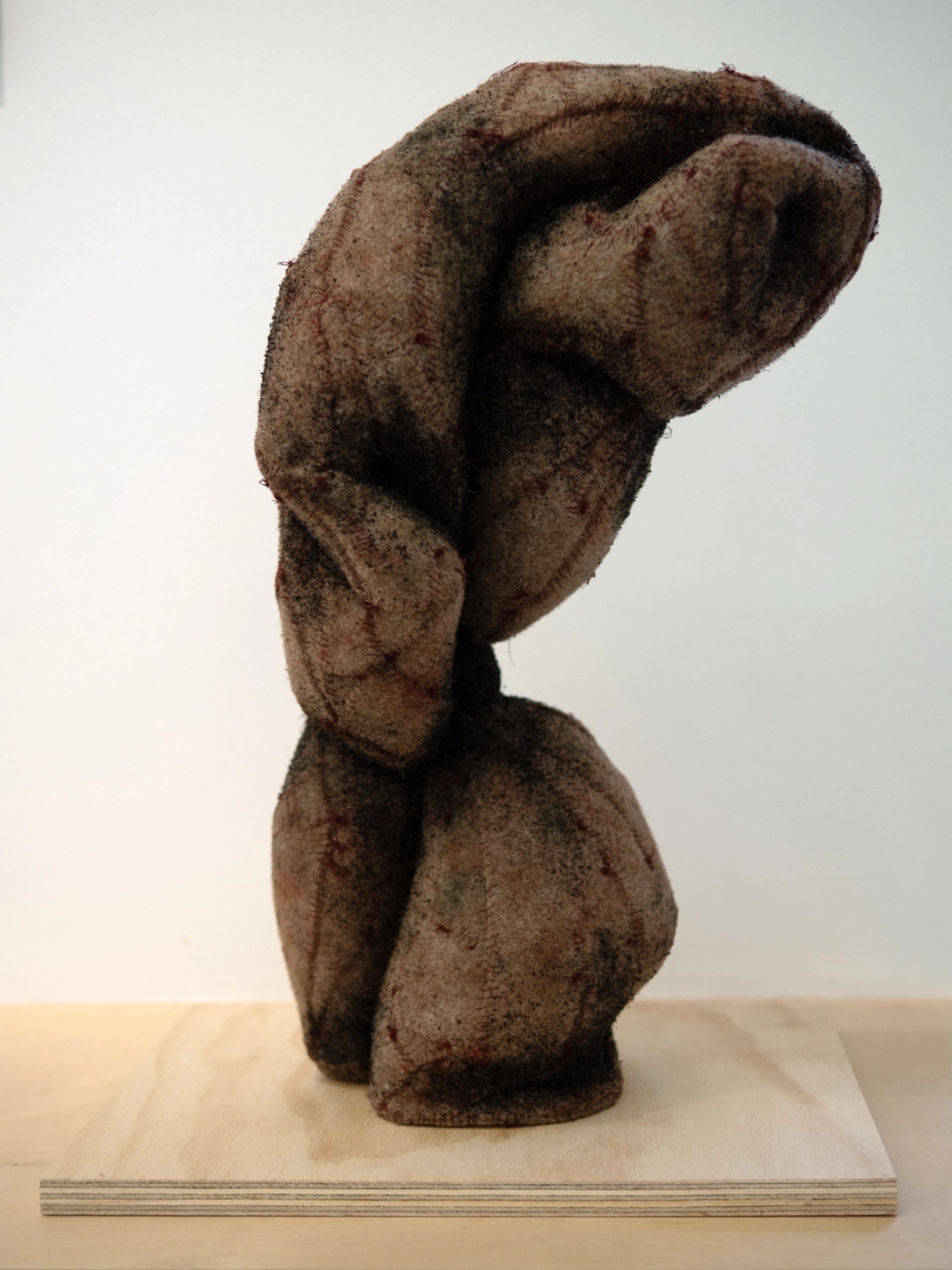
Nicole Havekost. Contort, 2026. Wool felt, polyurethane foam, wire, thread, dry paint pigment, crushed black onyx, shellac. 21½ x 12½ x 9½ in.

Kristen Sanders. Droop, 2025. Oil and acrylic on canvas over wood panel. 10 x 8 in.

Tamara Aupaumut. NDN Time, 2022. Glazed ceramic. 7½ x 11 x 11 in.
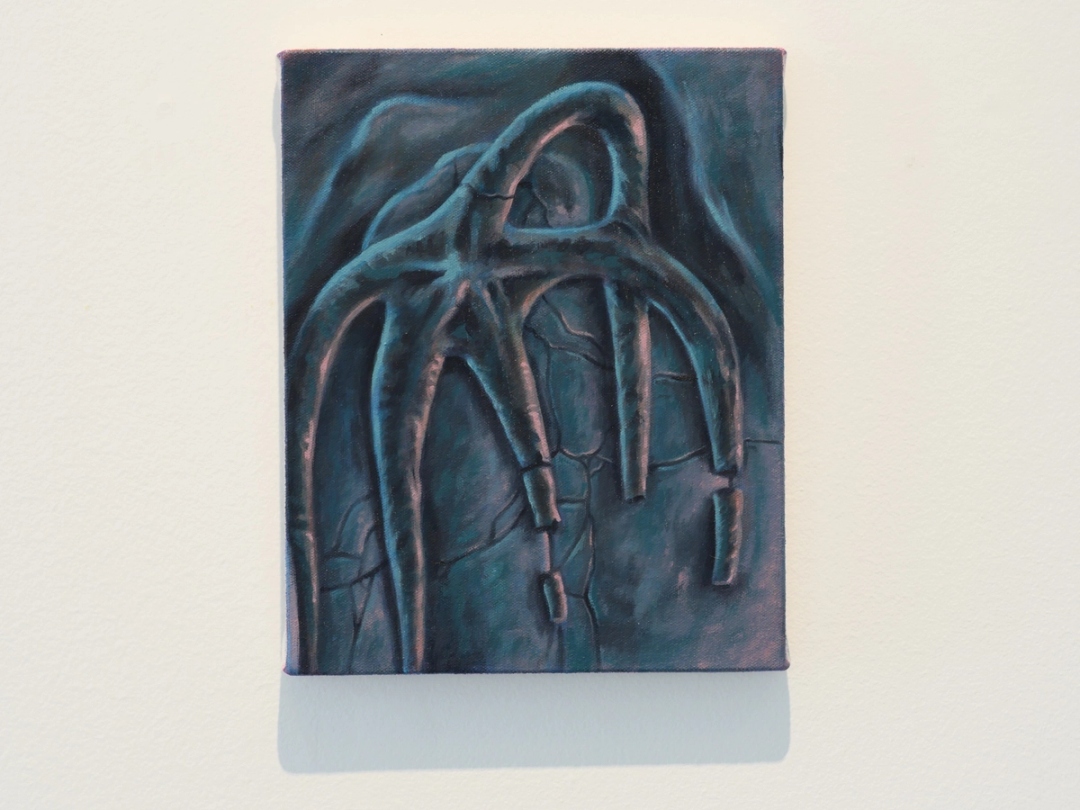
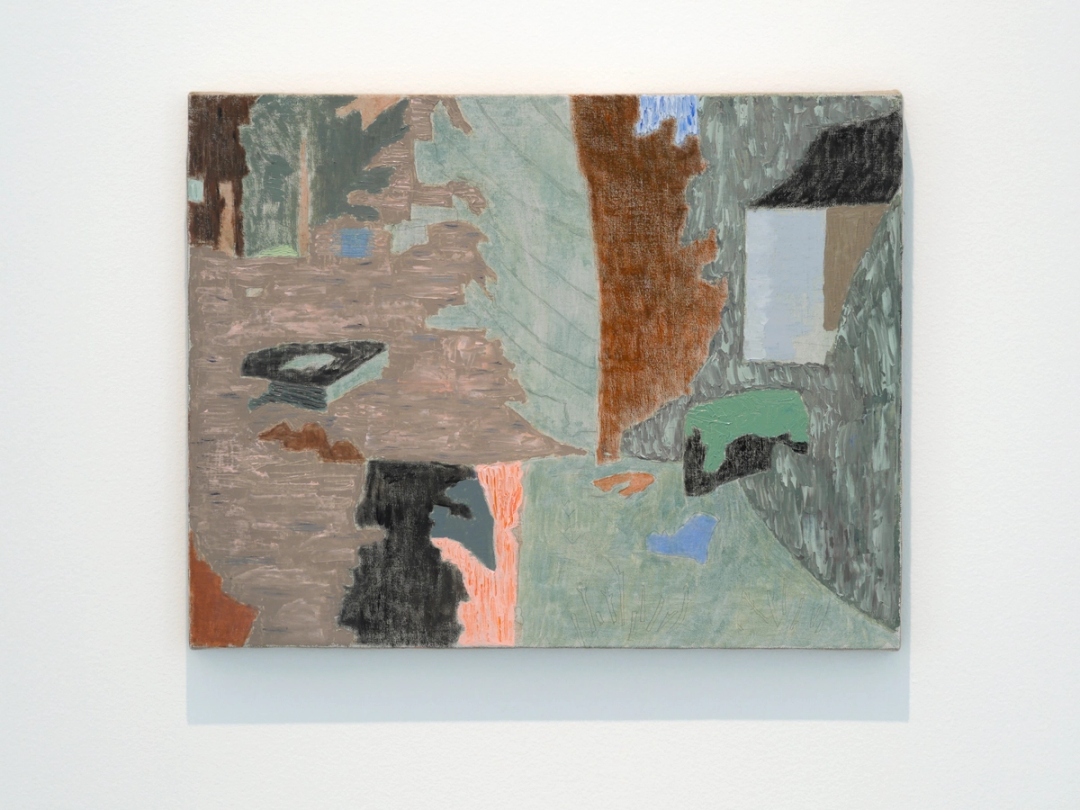
Michon Weeks. Playhouse, 2025. Oil on linen-covered panel. 14 x 18 in.

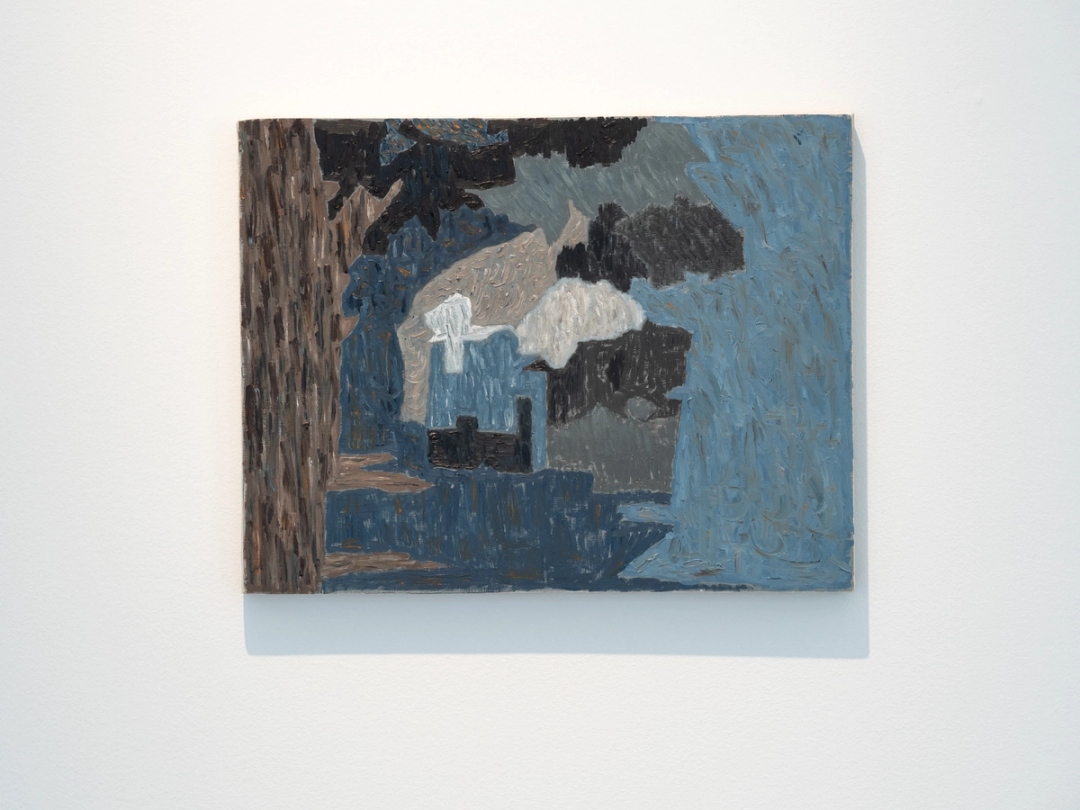
Michon Weeks. Backyard, 2025. Oil and acrylic on linen-covered panel. 14 x 18 in.

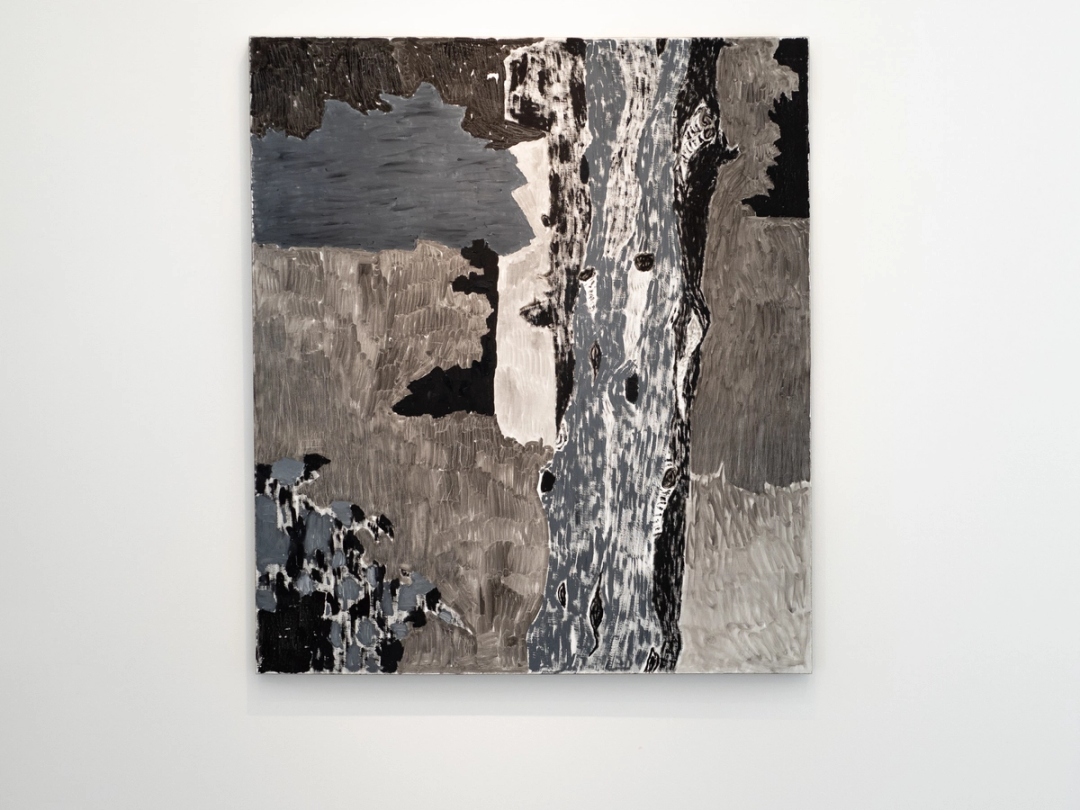
Michon Weeks. Knots, 2025. Oil on linen. 48 x 42 in.

Michon Weeks. Hoop, 2025. Oil on linen-covered panel. 20 x 16 in.

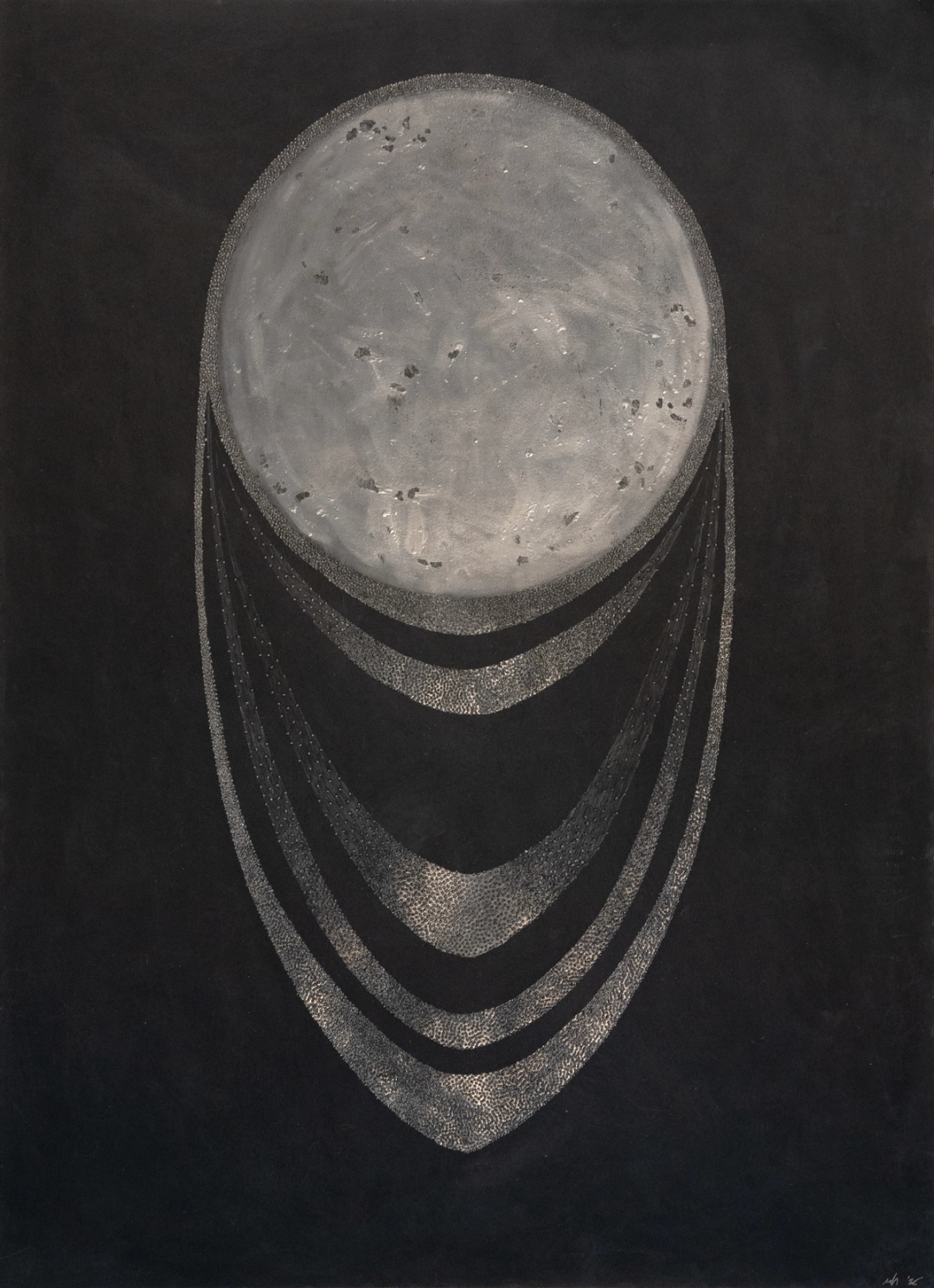
Nicole Havekost. Ringed, 2026. Soft pastel, graphite and graphite putty on rag paper. 30 x 22 in.

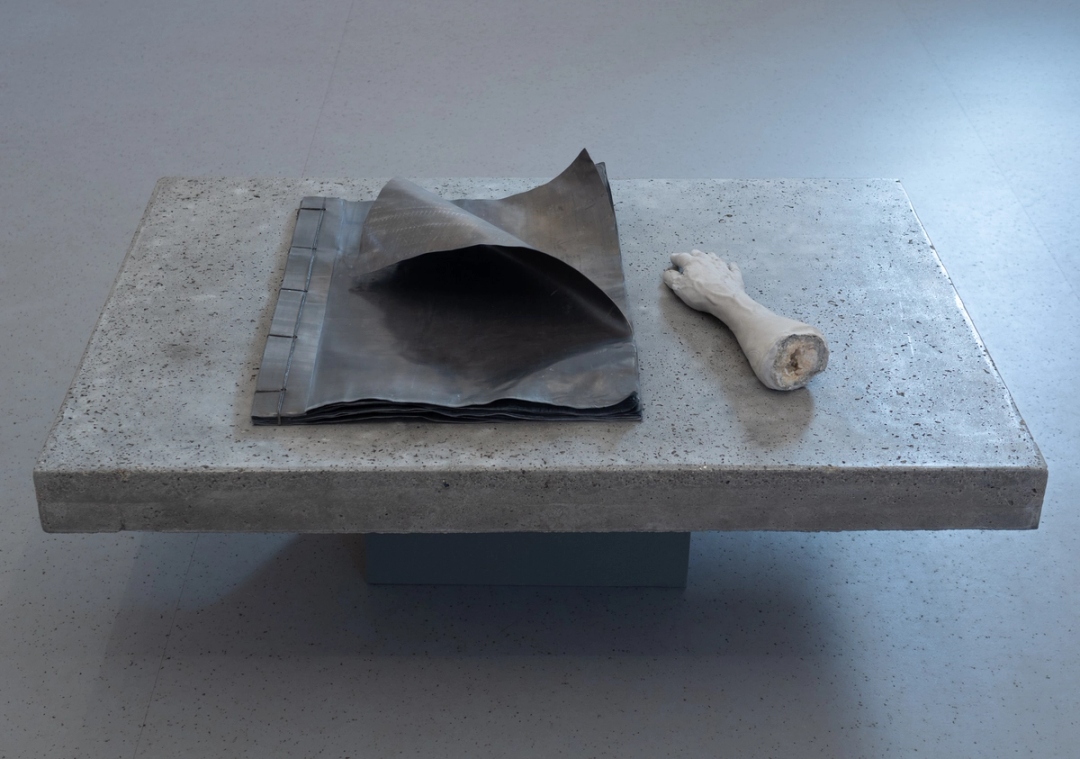
Alexa Horochowski. The Somnambulant's Ledger, 2026. Lead, concrete, gypsum, string, wood. 18¼ x 45 x 32 in.

David Goldes. No Versus Yes, 2026. Archival pigment print. 34 x 26 in.

David Goldes. Fleeting Fragility, 2026. Archival pigment print. 34 x 26 in.

Alexa Horochowski. The Revolving Janus, 2026 [detail]. Gypsum, concrete, plywood, motorized turntable. 61⅛ x 18¼ x 11¼ in.

Ilana Harris-Babou. Index, 2025. Glazed ceramic, cement, HyrdoBlok panel. 38 x 58 x ¾ in.

Kristen Sanders. Deep Reflex, 2026. Oil and acrylic on canvas over wood panel. 10 x 8 in.
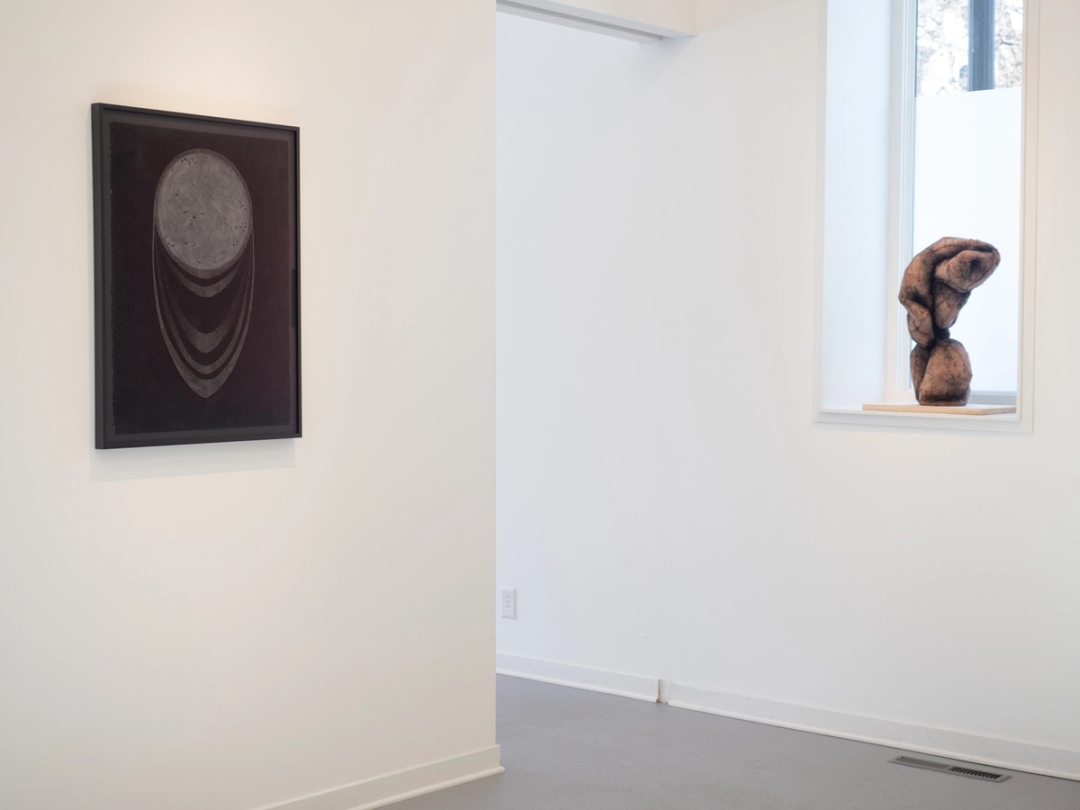
Tamara Aupaumut. Reconstructed Home, 2023. Papier-mâché and wasp nest. 15 x 20 x 4 in.

Kristen Sanders. Saltwater Spell, 2026. Oil and acrylic on canvas. 40 x 30 in.

Rotem Tamir. Jerayah (No. 2), 2024. Hand-carved woodblock print on organic cotton twill; soda ash, Synthrapol, myrobalan, calcium hydroxide, gum arabic, aluminum acetate, kaolin clay, ferrous sulfate, pomegranate powder, indigo powder, rose madder; tufting twine, nylon thread, and locally sourced wool. 9 x 31 x 147 in.

Nicole Havekost. Contort, 2026. Wool felt, polyurethane foam, wire, thread, dry paint pigment, crushed black onyx, shellac. 21½ x 12½ x 9½ in.
Kristen Sanders. Droop, 2025. Oil and acrylic on canvas over wood panel. 10 x 8 in.

Tamara Aupaumut. NDN Time, 2022. Glazed ceramic. 7½ x 11 x 11 in.

Michon Weeks. Playhouse, 2025. Oil on linen-covered panel. 14 x 18 in.

Michon Weeks. Backyard, 2025. Oil and acrylic on linen-covered panel. 14 x 18 in.

Michon Weeks. Knots, 2025. Oil on linen. 48 x 42 in.

Michon Weeks. Hoop, 2025. Oil on linen-covered panel. 20 x 16 in.

Nicole Havekost. Ringed, 2026. Soft pastel, graphite and graphite putty on rag paper. 30 x 22 in.
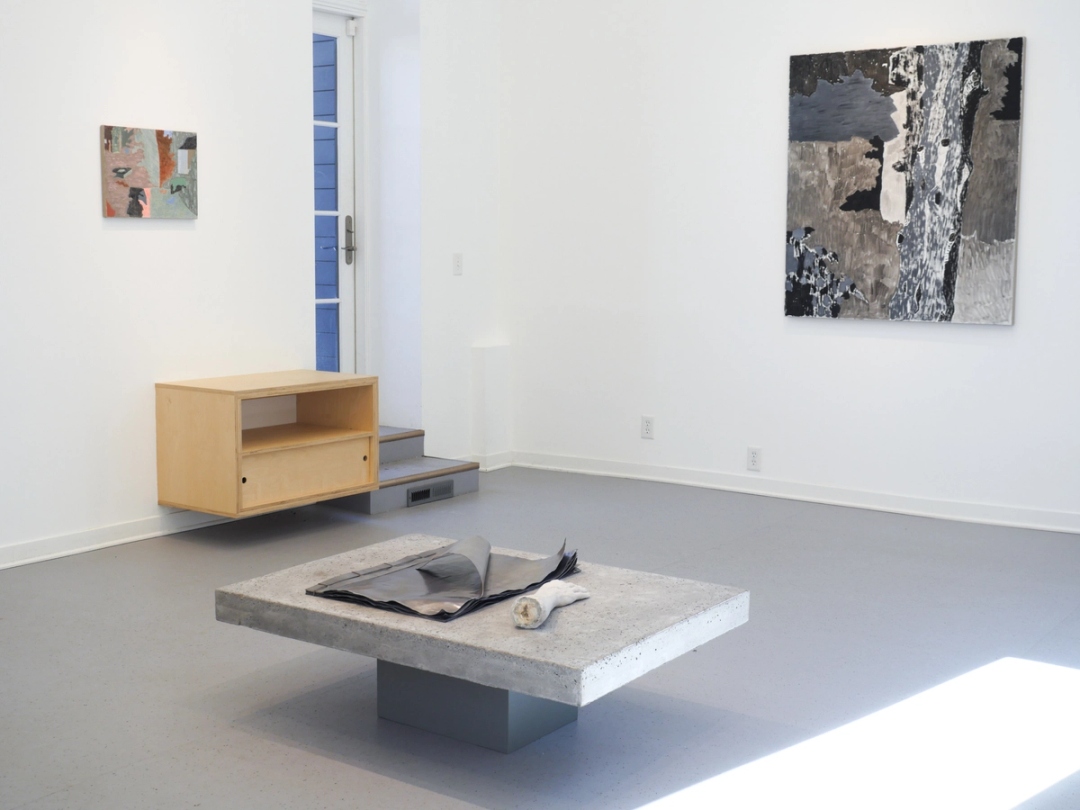
Alexa Horochowski. The Somnambulant's Ledger, 2026. Lead, concrete, gypsum, string, wood. 18¼ x 45 x 32 in.
Dreamsong is pleased to present Moonlight, a group exhibition featuring artists Tamara Aupaumut, David Goldes, Ilana Harris-Babou, Nicole Havekost, Alexa Horochowski, Kristen Sanders, Rotem Tamir and Michon Weeks. Across distinct cultural backgrounds, their works share a sensibility attuned to deep geological time and forms of knowledge rooted in mythology, spiritual practices, dreams, corporeality and the natural environment. Contemplating the shifting contours of contemporary humanity, the exhibition opens weeks into ICE’s violent occupation of Minnesota.
Tamara Aupaumut, a descendant of the Stockbridge-Munsee Band of Mohican Indians, the Oneida Nation and the Brothertown Indian Nation, presents Reconstructed Home (2023), a relief comprised of papier-mâché and paper pulp extracted from an abandoned wasp’s nest found near Bdóte, a sacred site of the Dakhóta people at the confluence of the Mississippi and Minnesota Rivers. Taking the form of the artist’s bust, the work reflects on the artist’s recovery from breast cancer and alludes to the healing connectionbetween the human body, the land and the natural world. Aupaumut also presents NDN Time (2022), a ceramic sculpture symbolizing a deep golden sun held by the four cardinal directions, which carry deep spiritual, cultural and philosophical meanings for many Indigenous peoples of North America. They are not just geographic markers but ways of understanding life, balance, time, identity and relationship to the land.
Looking to the generative friction produced by urban democratic spaces such as subways, beaches and parks, Ilana Harris Babou’s Index (2025) charts our mutual passage through public space, cataloguing the indelible voices and desires of its occupants. Made up of hundreds of cast ceramic impressions of fingerprints and the ubiquitous swipe gesture used to
operate digital touchscreens, the work is held in a found wooden frame reminiscent of the presentation of old paper New York subway maps. Evoking a multitude of people mediating both digital and physical reality simultaneously, the piece materializes traces of touch.
In two new photographs by David Goldes, the artist depicts fleeting, tenuous moments in staged compositions. Through a deliberately illusionistic mise-en-scène, the artist’s images – physically constructed in his laboratory-like studio in Northeast Minneapolis and then captured on camera – document temporary installations of a soap bubble held by a wire armature and a group of stones tethered by vibrating strings. Though meticulously staged, these structures evoke monuments to precarity, balancing material fragility with an almost supernatural tension. Goldes’ images act as quiet reminders of instability — physical, political and existential — and of the invisible forces that briefly hold matter in suspension.
Alexa Horochowski’s two new sculptures draw on research into mourning rituals, grief, memory, mythology and the language of dreams. In The Revolving Janus (2026), the titular ancient Roman god is rendered as a double-sided head with both masculine and feminine visages, continuously rotating on a motorized turntable. Associated with beginnings, thresholds and passages, Horochowski’s continuously rotating rendition of Janus exudes a zen equilibrium that projects strength in the face of uncertainty. The work embodies the wheel of history, suggesting that time is not linear but recursive, folding past, present and future into a single psychic field. In The Somnambulant’s Ledger (2026), an oversized book constructed in lead sits on a concrete slab next to a resting arm embedded with a crystalline geode. Adapted from a childhood dream wherein the pages of a book flipped on their own accord, the ledger bears a funerary weight conjuring both archival record and inexorable passage.
Rotem Tamir’s Jerayah #2 (2024) – which means ‘mattress’ in her ancestral Judeo-Tripolitanian Arabic language – is also based on a memory from the artist’s childhood. Removing all the quotidian furniture from the living room and using
doors for makeshift low tables, Tamir recalled her grandmother’s handmade mattresses where her family sat for the Passover Seder and then slept together. Though across the world from her childhood home, Tamir sought to reconstruct the
mattress through memory, adaptation and collaboration. The stuffing was made by scouring and carding raw wool and the fabric was painted through a complex resist-dyeing process called Arjakh that the artist learned in India. The imagery references The Flower of Life, a sacred geometry symbol related to the idea of universal consciousness and holding meaning about fundamental patterns and unity in the cosmos. The work contains hidden pockets in reference to the survival strategy of concealing money and valuables during the Holocaust and other historical pogroms.
In paintings depicting marine fossils, Kristen Sanders excavates meaning from vestiges of ancient life. In Deep Reflex (2026), an ammonite from the early Cretaceous lies under a full moon. For Sanders, the way the mollusk curls in on
itself suggests the process of introspection as a shared evolutionary reflex. In Saltwater Spell(2026), a tooth whorl from the
extinct helicoprion, a shark-like fish that lived up until about 270 million years ago whose teeth were embedded in a spiraled root, embodies one of humanity’s oldest and most universal symbols. Across cultures and eras, the spiral carries layered meanings in ancient art, spiritual practices and philosophical ideas.
Michon Weeks’ four paintings in Moonlight originate in observations recorded through close, contemplative attention to the natural landscape and built environment that she encounters on meditative walks or notices through the windows of her home in Northfield, MN. Inspired by her reading of The Blue Sapphire of the Mind (Douglas E. Christie) which argues for changing the quality of our attention in order to cultivate deeper interconnectedness between ourselves and the living world, Weeks became attuned to the concept of the shining darkness in which perception is charged solely with presence and the need to clarify, classify or resolve is disavowed. Veering between abstraction and landscape, Weeks’ paintings reflect the shifting contours of consciousness.
By looking closely at the world around them – what it has left behind, the memories and traditions it created, and the wonder and meaning it can produce – the artists in Moonlight unearth a kind of metaphysical, biological and dialectical continuity that offers some solace in a time of violent rupture and inhumane change. In drawing back the shadows cast across history and the natural world, they illuminate rhythms, patterns and continuities that flow forth into the disorder of daily life.