Reversible Destinyby Tamara Aupaumut, Chase Barney, John Christakos, Dee Clements, Rachel Collier, Chotsani Elaine Dean, Dahn Gim, Michelle Grabner, Hannah Lee Hall, Lee Noble, Melissa Scherrer Paré, Mark Schoening, Randi Shandroski, 69 Tearz, Gretchen Thayer, Rafał Wielgus
Dreamsong Cinema
Oct 15 – Dec 15, 2026
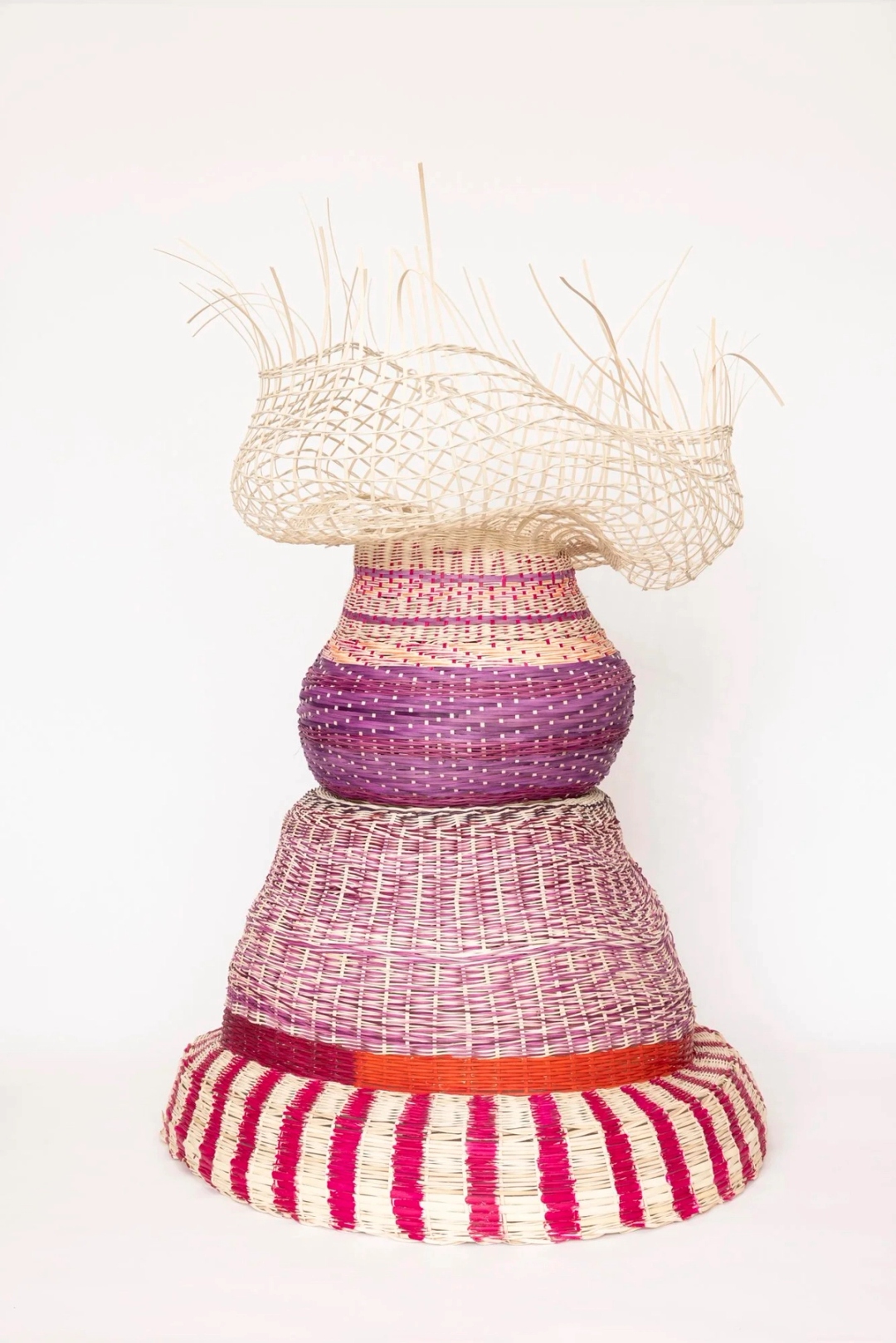
Dee Clements
No!, 2025
Woven reed, dye, gouache, wood, polyurethane
64 x 41 x 41 in.
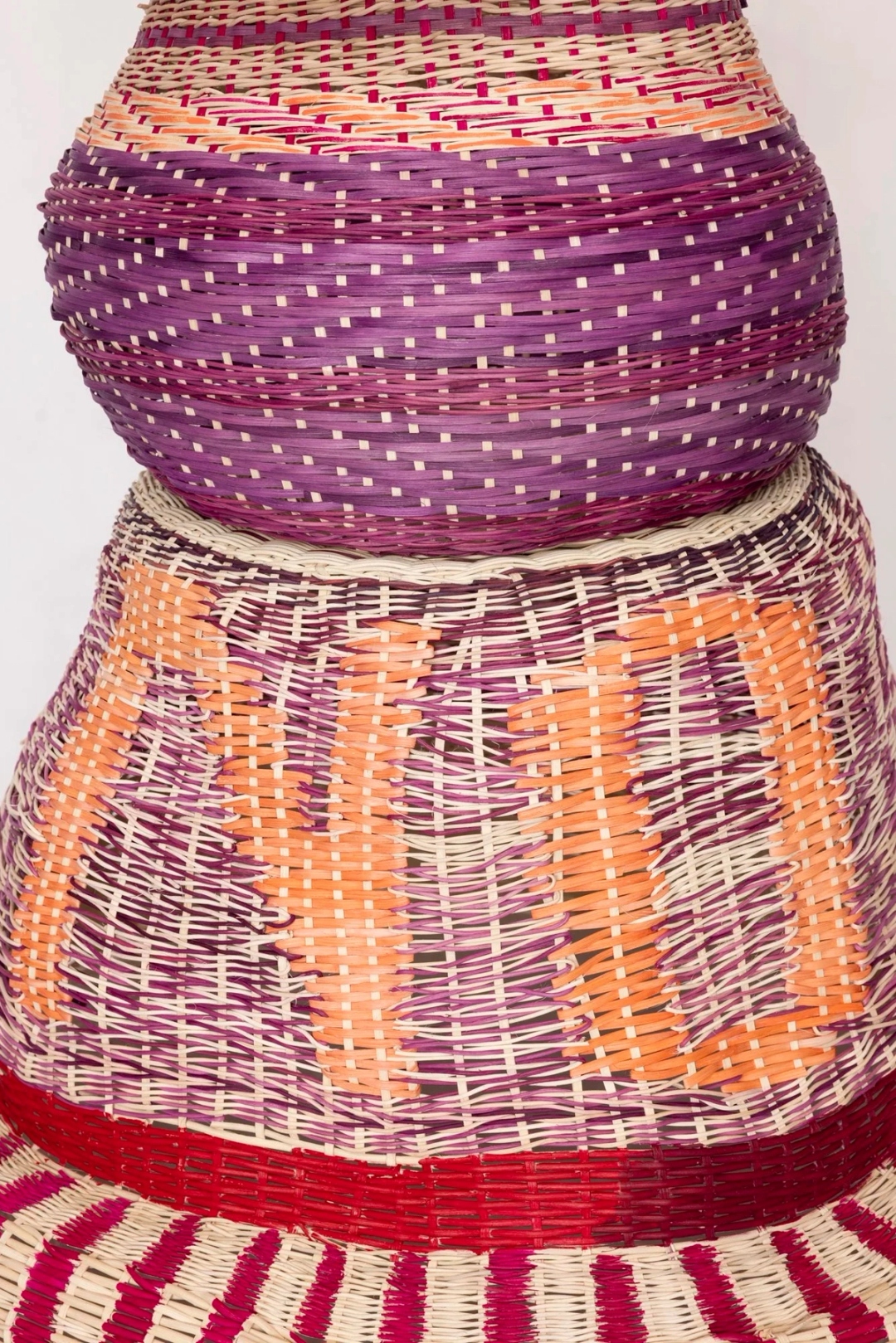
Dee Clements
No!, 2025 (detail)
Woven reed, dye, gouache, wood, polyurethane
64 x 41 x 41 in.
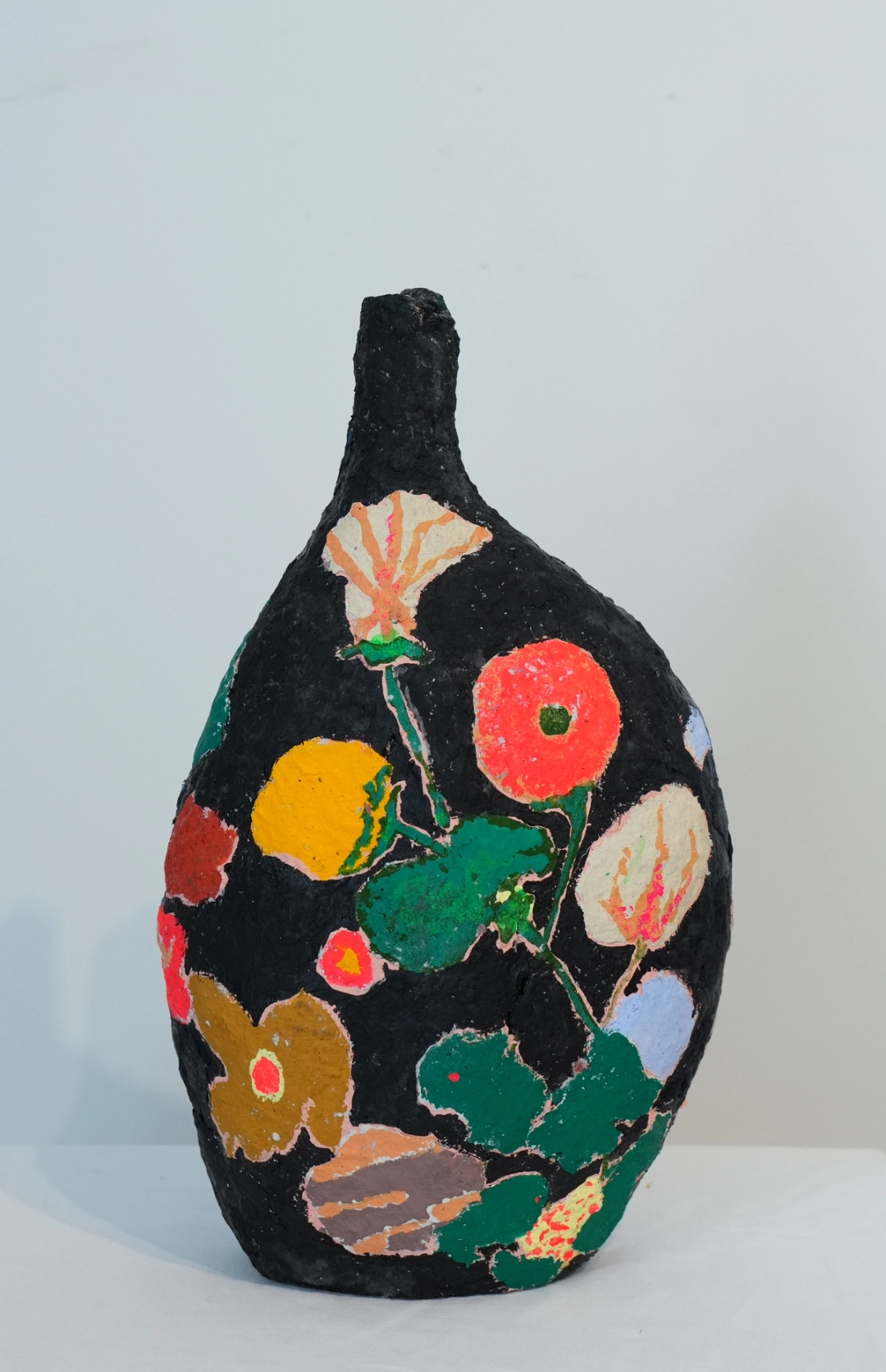
Melissa Scherrer Paré
Nightingale, 2026
Paper pulp, acrylic over found form
16 x 10 x 6 in.
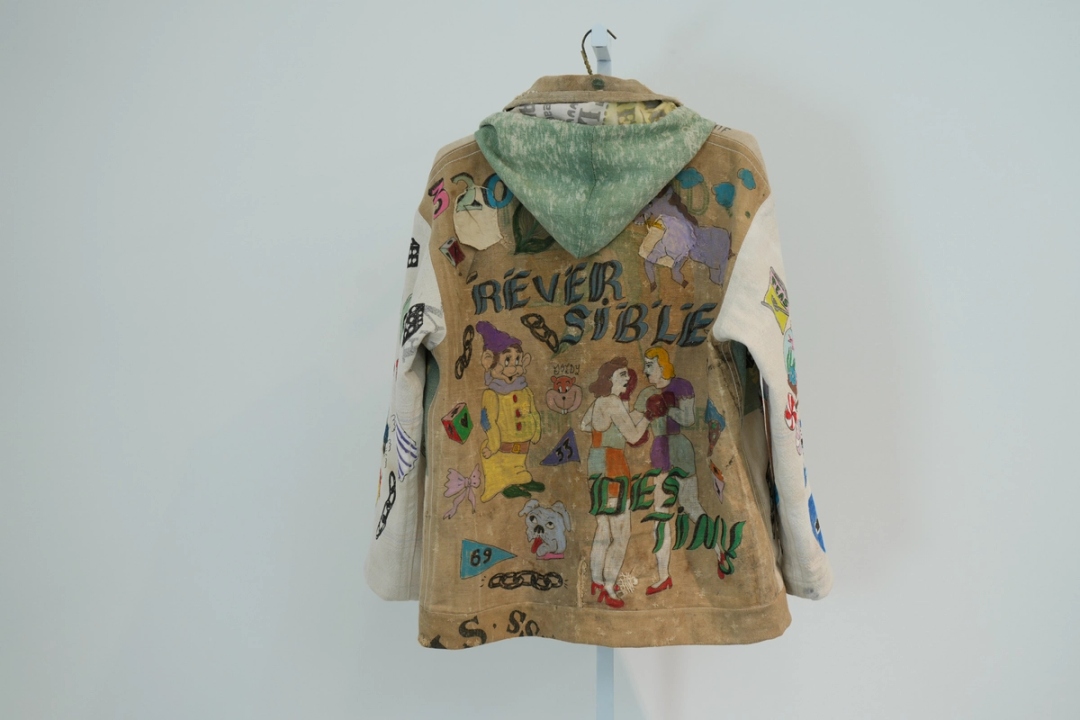
69 Tearz
Reversible Destiny, 2026
Antique found feedsacks, acrylic ink, hardware
Medium jacket 24 x 26 x 4 in.
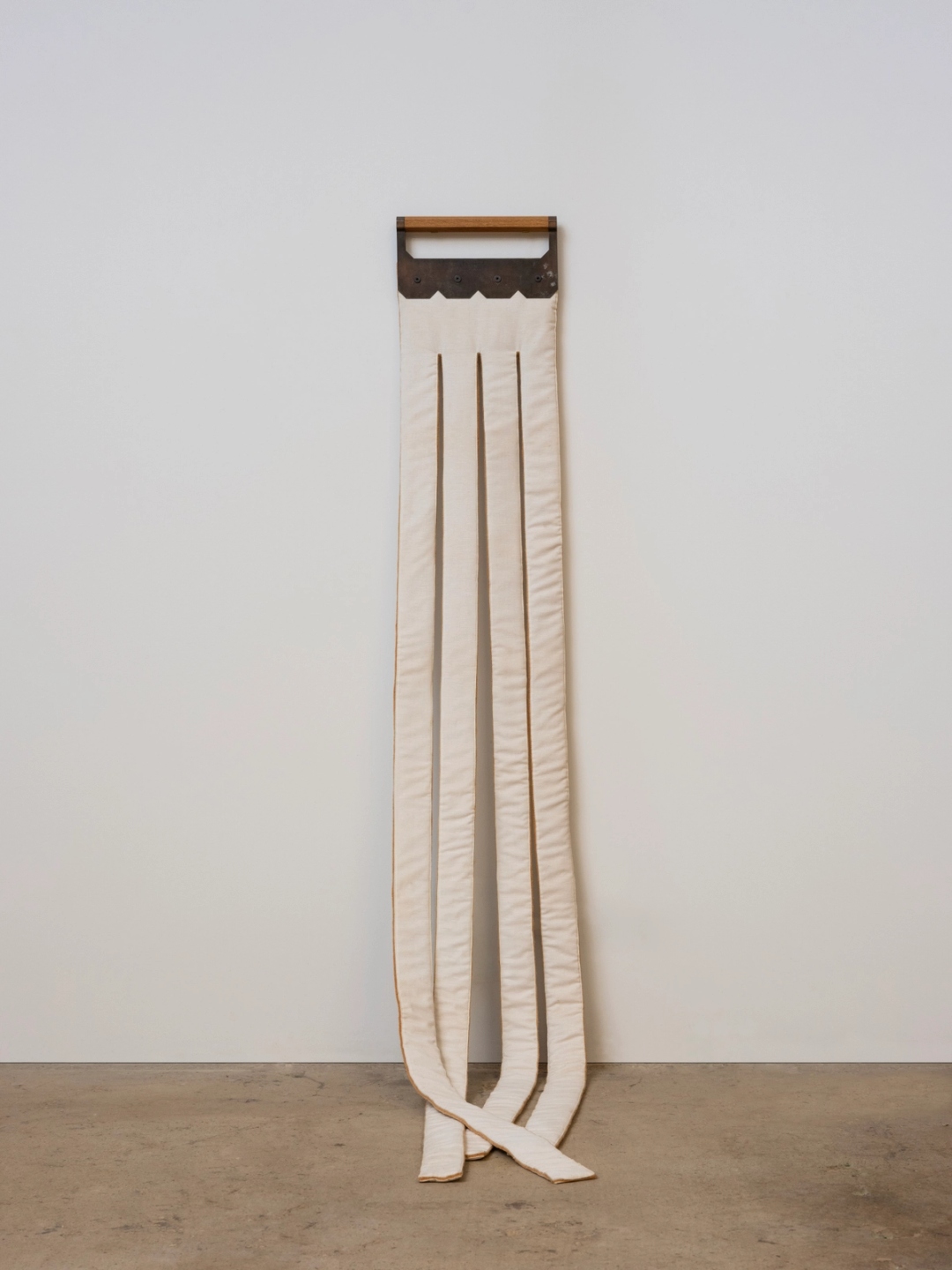
John Christakos
Oh, I'd be so good to ya, 2023
Copper treated steel, white oak, muslin, vintage wool blanket
84 x 12 x 1 ½ in.
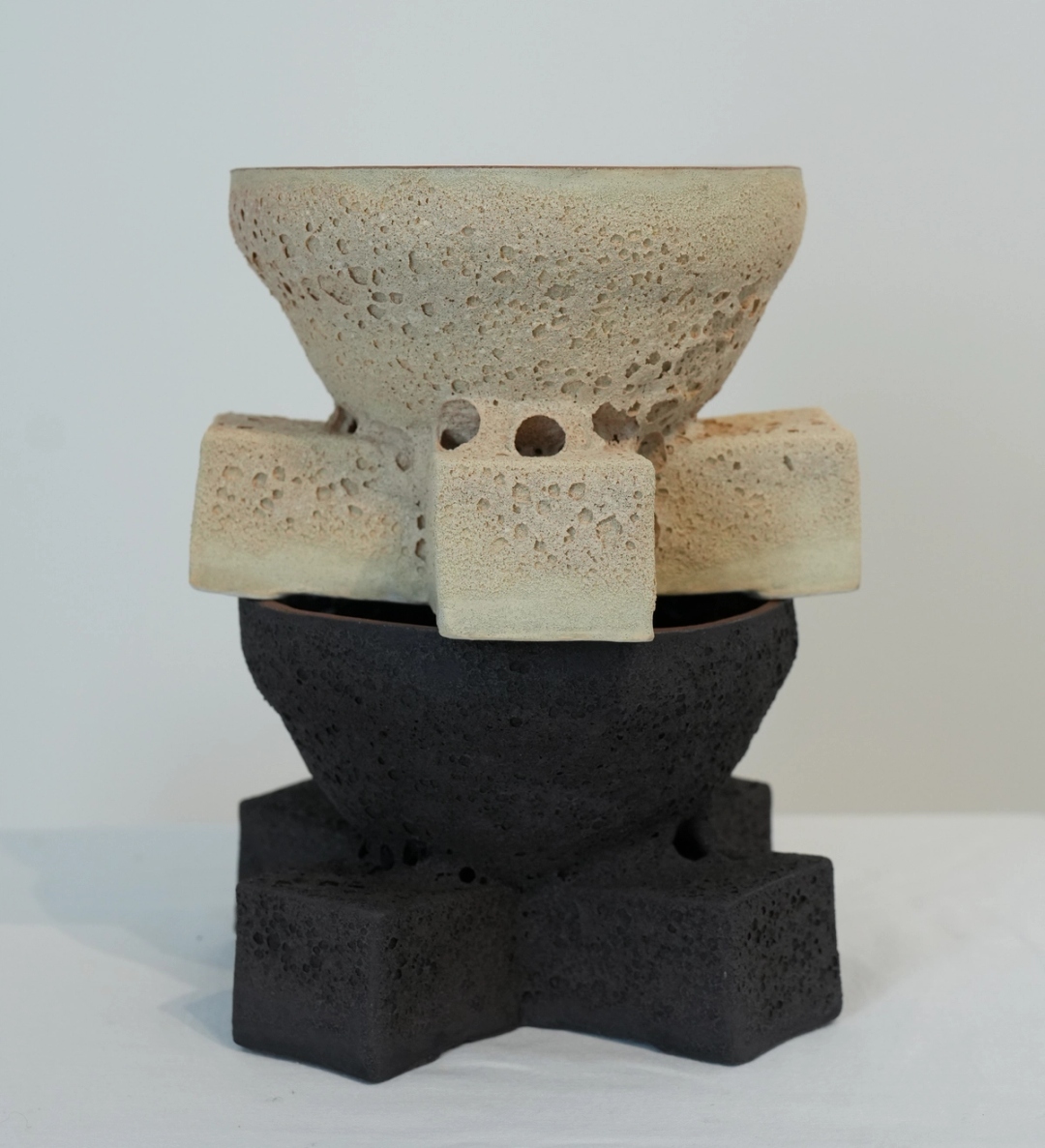
Tamara Aupaumut
The Time of Yesterday, 2026
Glazed stoneware
5 x 8 x 8 in. each
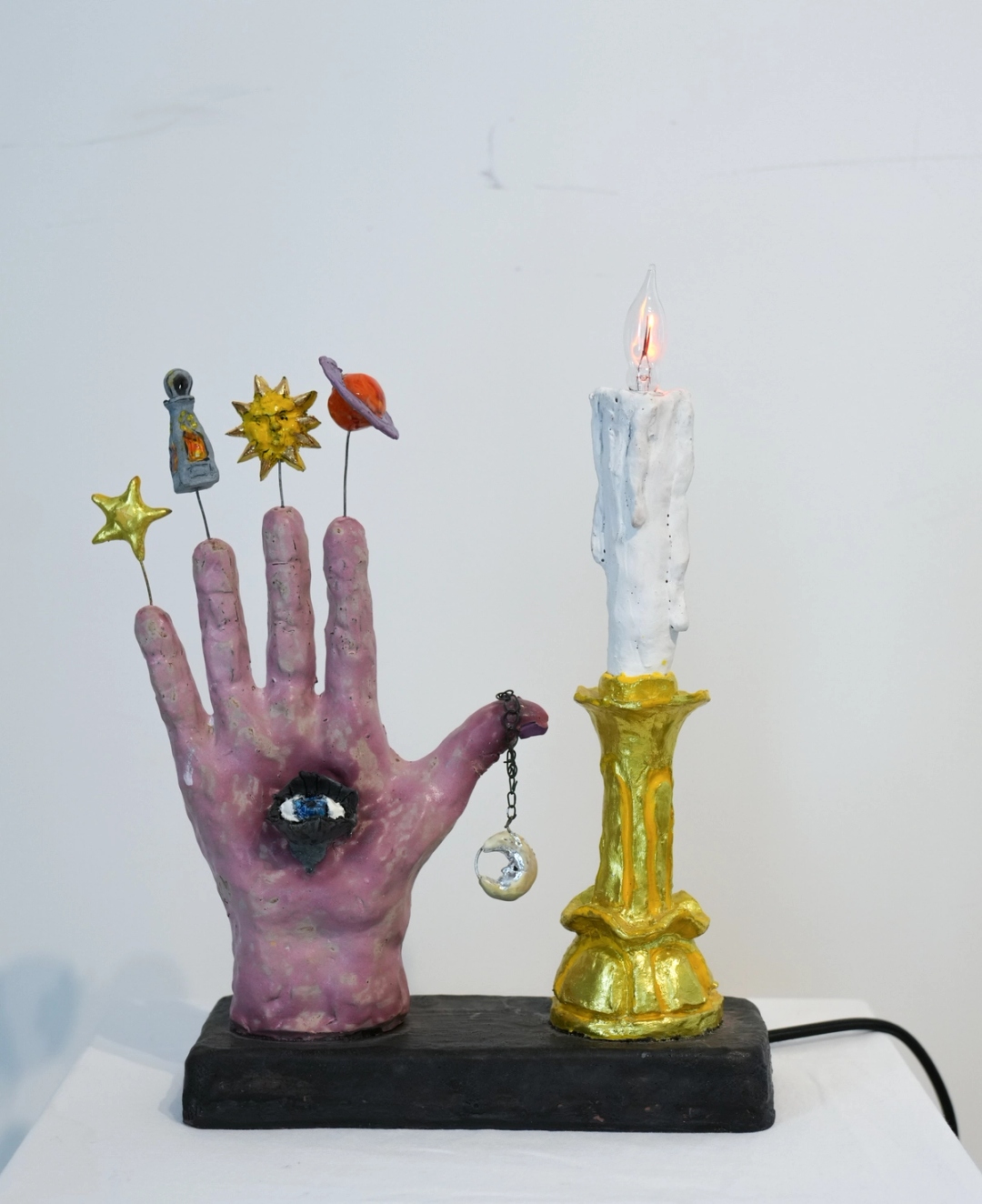
Chase Barney
Alchemy of the Saints lamp, 2026
Fired ceramic, glaze, high temperature wire, metallic leafing
16 x 10 x 4 in.
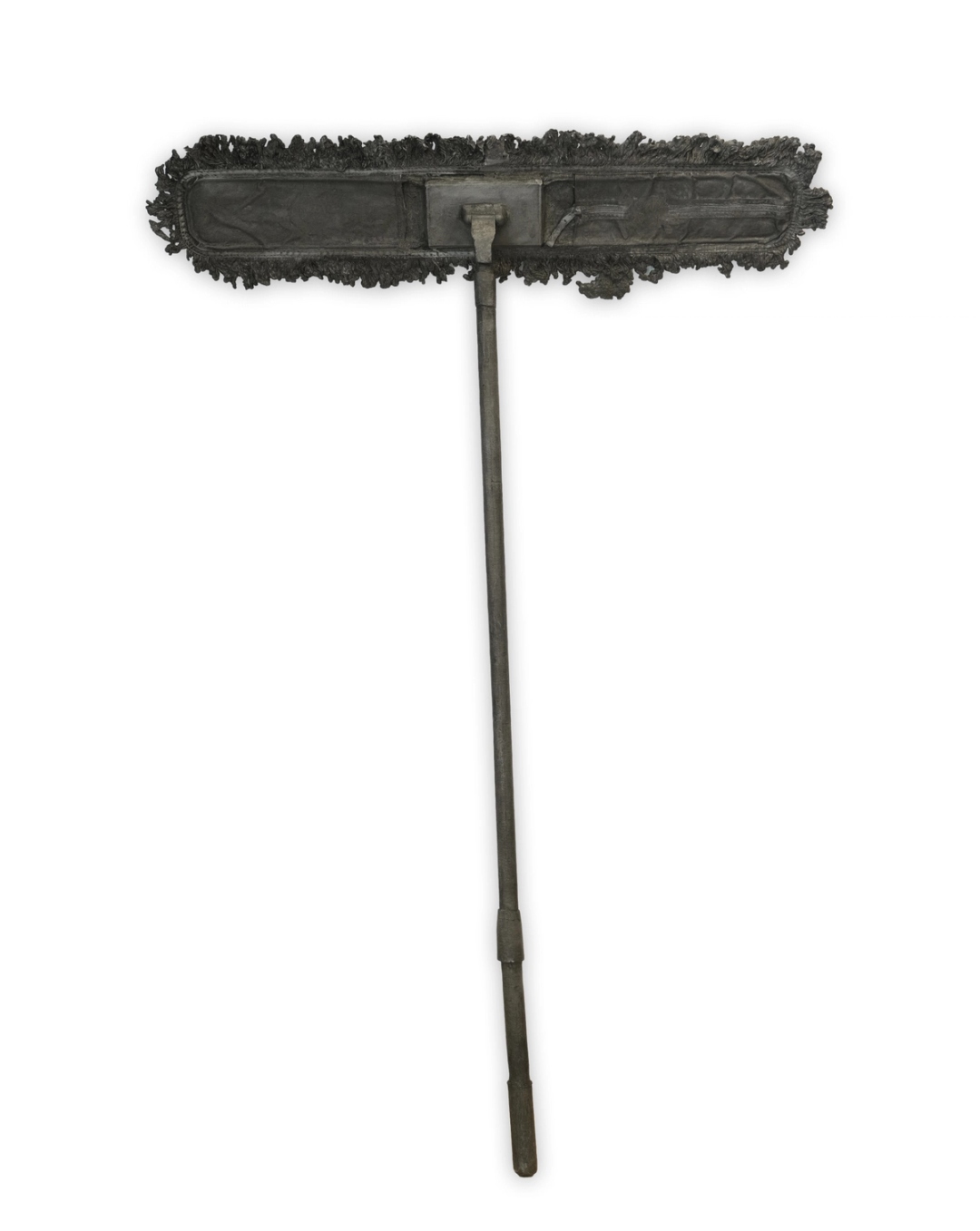
Michelle Grabner
Untitled, 2025
Aluminum
60 x 39½ x 5½ in.
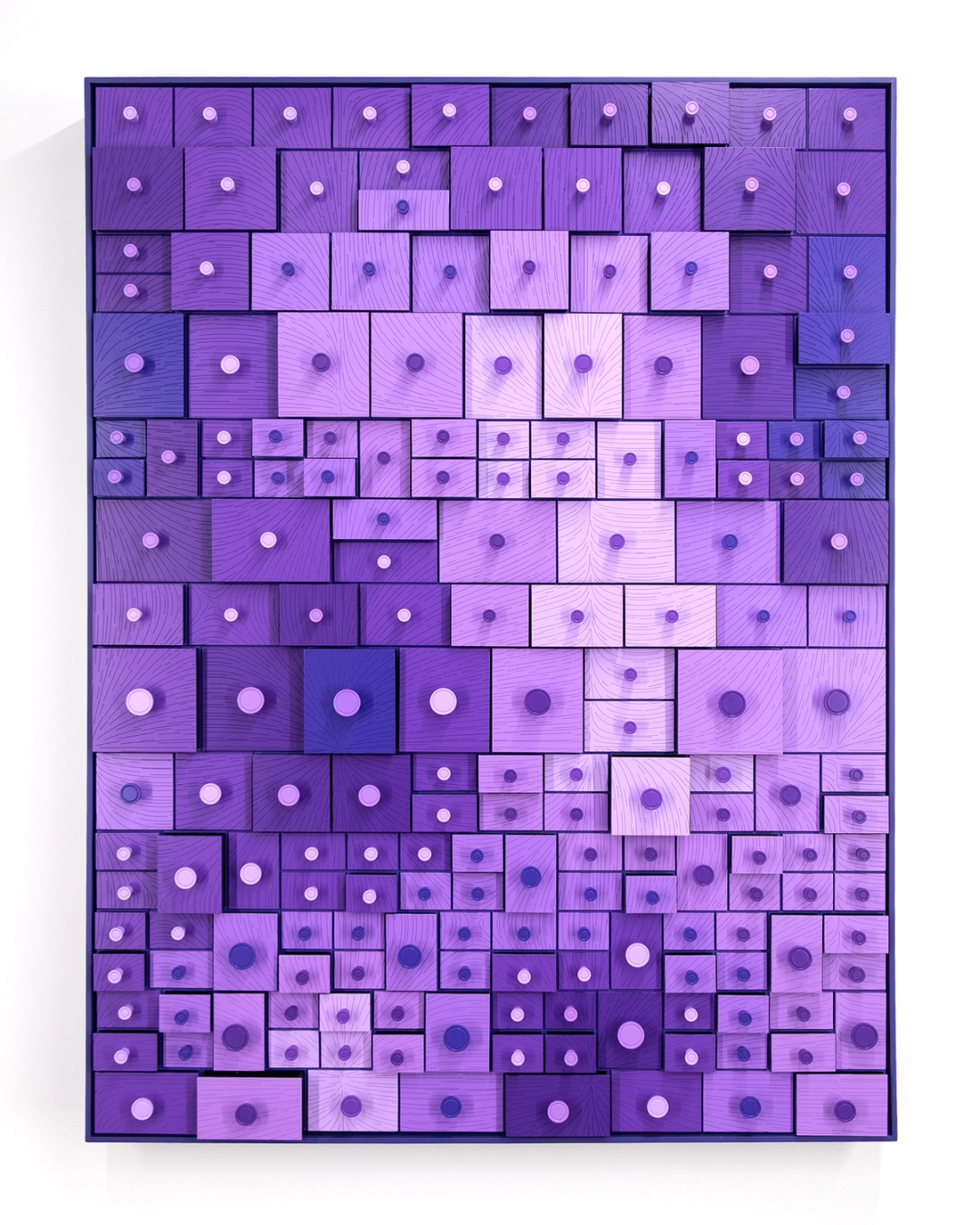
Mark Schoening
Memory Palace, 2026
Latex paint on laser etched MDF, printed PLA, steel fasteners, with artist made frame
40¼ x 30¾ x 3¾ in.
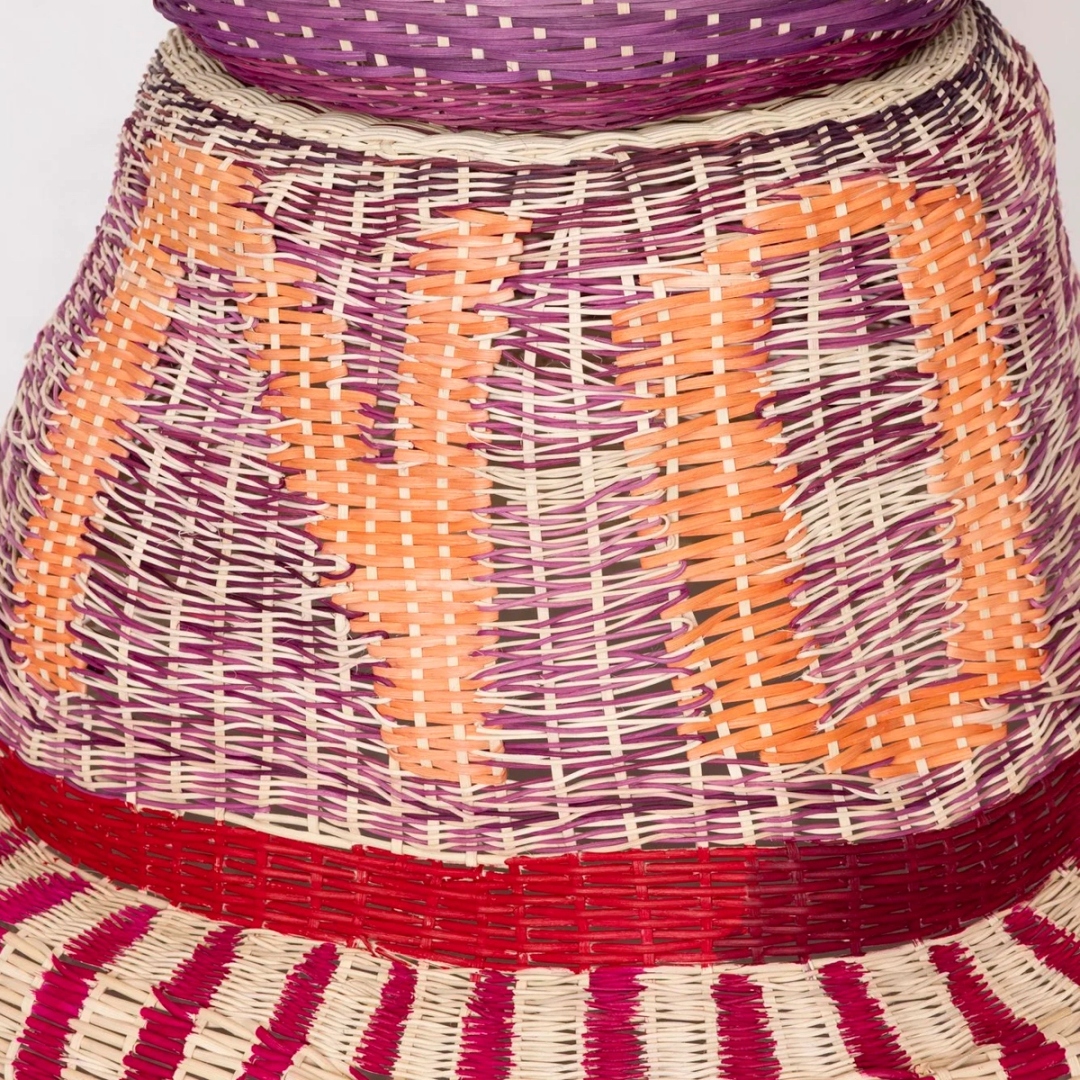
Dee Clements
No!, 2025
Woven reed, dye, gouache, wood, polyurethane
64 x 41 x 41 in.
Dee Clements
No!, 2025 (detail)
Woven reed, dye, gouache, wood, polyurethane
64 x 41 x 41 in.
Melissa Scherrer Paré
Nightingale, 2026
Paper pulp, acrylic over found form
16 x 10 x 6 in.
69 Tearz
Reversible Destiny, 2026
Antique found feedsacks, acrylic ink, hardware
Medium jacket 24 x 26 x 4 in.
John Christakos
Oh, I'd be so good to ya, 2023
Copper treated steel, white oak, muslin, vintage wool blanket
84 x 12 x 1 ½ in.
Tamara Aupaumut
The Time of Yesterday, 2026
Glazed stoneware
5 x 8 x 8 in. each
Chase Barney
Alchemy of the Saints lamp, 2026
Fired ceramic, glaze, high temperature wire, metallic leafing
16 x 10 x 4 in.
Michelle Grabner
Untitled, 2025
Aluminum
60 x 39½ x 5½ in.
Mark Schoening
Memory Palace, 2026
Latex paint on laser etched MDF, printed PLA, steel fasteners, with artist made frame
40¼ x 30¾ x 3¾ in.
Artist(s)
Tamara Aupaumut, Chase Barney, John Christakos, Dee Clements, Rachel Collier, Chotsani Elaine Dean, Dahn Gim, Michelle Grabner, Hannah Lee Hall, Lee Noble, Melissa Scherrer Paré, Mark Schoening, Randi Shandroski, 69 Tearz, Gretchen Thayer, Rafał WielgusVenue/Location
Dreamsong Cinema